Debate: Resting Rich Face?
Does true recovery require an expensive subscription, or is the most radical act of self-care still just a free nap? We poured three glasses of Chardonnay and pitted a sports psychologist against a culture critic to debate the price of self-care.
By Glorious
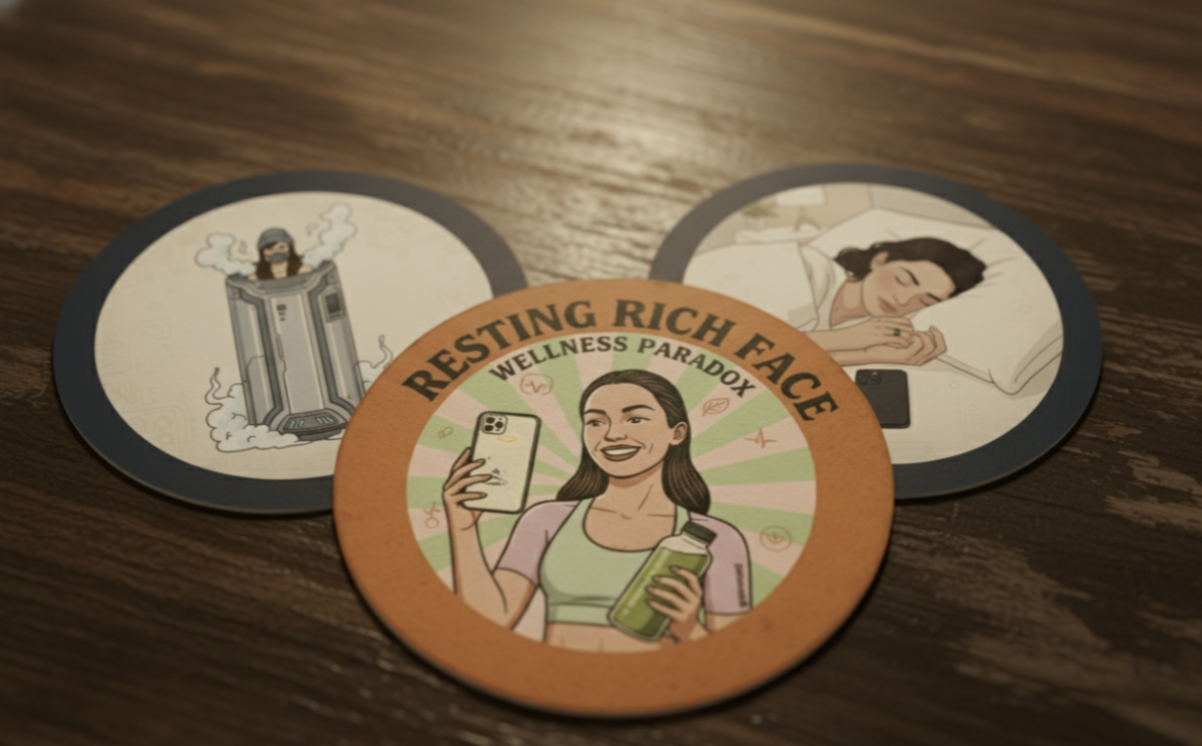
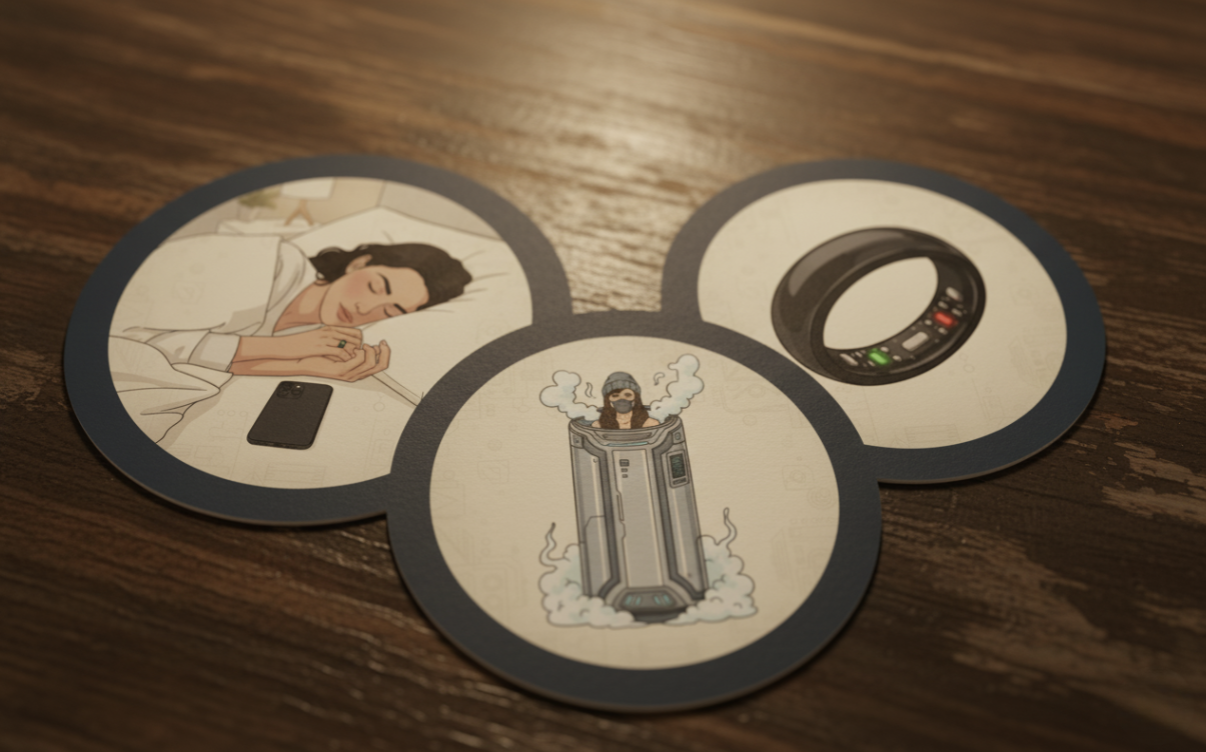
It’s everywhere: ice baths, adaptogens, wearable rings that tell you you’re tired before you’ve even opened your eyes. Somewhere along the way, “rest” turned into a five-trillion-dollar industry. Depending on who you ask, that’s either progress or a scam with better lighting. Has wellness become a status symbol, replacing the simple joy of sport with the pressure to “optimise”?
We don’t know, so, we did what Glorious does best and took the question to the pub. Two women, one big debate, three glasses of Chardonnay each, and not a supplement in sight. We can’t confirm we achieved balance, but we definitely achieved a hangover.
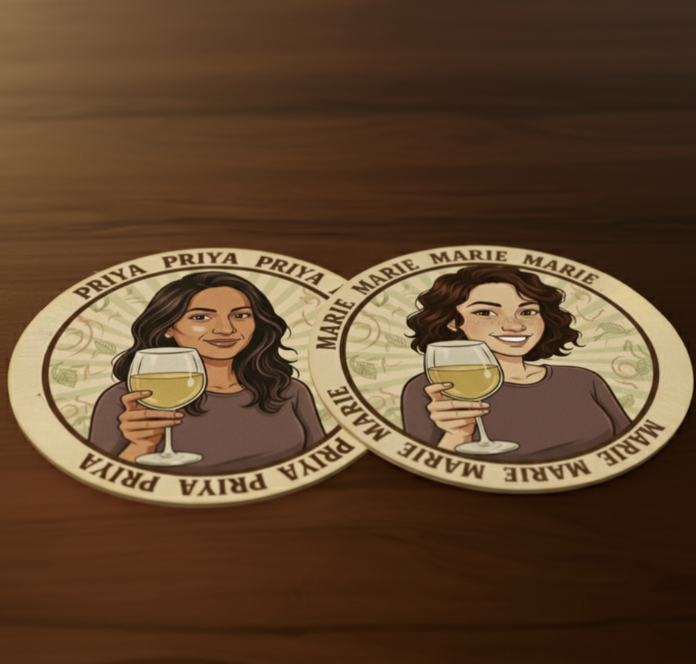
Our debaters: Marie, a sports psychologist who believes the wellness movement has finally legitimised recovery and balance, and Priya, a culture critic who thinks we’ve simply swapped burnout for biohacking.
Glorious: Okay, wine is poured. Is wellness helping us live better, or just selling us the idea of it in nice packaging? GO!
Priya: Oh, it’s a total racket! A five trillion dollar racket with good branding, by the way. They’ve taken something that used to be free, like literally just rest, and turned it into a subscription service. You can’t just go for a run anymore, you have to “optimise your recovery window” and “refuel your glycogen stores.” I miss when sport was just sweating and swearing.
Marie: Hang on, that’s so easy for you to say! You’re forgetting what it was actually like before all this. People were told to push through pain, hide period symptoms, and basically just ignore exhaustion. All those wellness tools, the tracking, the nutrition, the recovery apps, they gave people data to finally say, “My body is telling me I need to stop.” That’s a genuine revolution.
Priya: A revolution that requires significant money. Have you seen the price of a sports massage lately? Wellness used to be a jog around the park and a nap. Now it’s an IV drip and a cryotherapy chamber. And the sponsored retreat? Come on!
REVOLUTION!
Marie: That’s an exaggeration, Priya. Totally unfair. Plenty of it is accessible. There are free apps, basic sleep advice, mindfulness tools. It’s not all rich people in ice baths, that’s just the loud bit on Instagram.
Priya: It’s not the rich people, it’s the fantasy of control they sell. It’s not about actually feeling better; it’s about appearing like you’ve got your life together. The gym selfie has been replaced by the “I’m doing my recovery work” post. It’s performative peace. It’s just another stick to beat yourself with.
Marie: I think you’re being cynical. You sound like you’d rather we went back to the “no pain, no gain” era, when people were praised for running themselves into the ground. Progress is messy, yes, but at least we’re having a conversation about recovery instead of glorifying exhaustion now.
Priya: No, but it’s still exhaustion, it’s just prettier now. The constant self-measurement, the pressure to hit arbitrary recovery scores, it’s a new way to keep people in competition with themselves. The language has changed, but the obsession is exactly the same.
Marie: I completely disagree. I’ve worked with athletes who’ve extended their careers by years because they’ve learned when to pull back and how to track their symptoms against their cycle. That’s not capitalism, that’s care.
Priya: It’s care with a marketing team, Marie. We’ve allowed capitalism to package “self-care” as self-discipline. You can’t rest unless you’ve earned it. You can’t stretch unless it’s part of your “recovery protocol.” It’s like rest has become another goal to optimise, you know?
Glorious: That’s interesting. Has social media made it impossible to tell the difference between genuine care and a contractual obligation?
Priya: Definitely. Every athlete is now a wellness influencer. It’s hard to know if they actually love their new recovery routine or if they’re just getting paid to say it. I mean, I love Serena, but when she posts about her sleep supplements, I’m like… really?
Marie: But that visibility matters. Ten years ago, if a top athlete had spoken about mental fatigue or period pain, it would’ve been career suicide. Now it’s just normal. The sponsorships might be clunky, but they’ve absolutely opened the door to better conversations and better-funded research.
Priya: Sure, but it’s a very curated kind of conversation. No one’s posting about having a genuinely bad day unless it comes with an affiliate code for a weighted blanket.
Marie: You are being dramatic. Some of this is genuine empowerment. When a player says to a coach, “I’m not training today because my data shows I’m in the red,” that’s radical. It tells the next generation that strength and rest aren’t opposites.
Priya: I’m not against recovery, Marie. I’m against the fact that people feel like they have to buy permission to rest.
Marie: They’re not buying permission. They’re buying information, the knowledge that helps them make better choices.
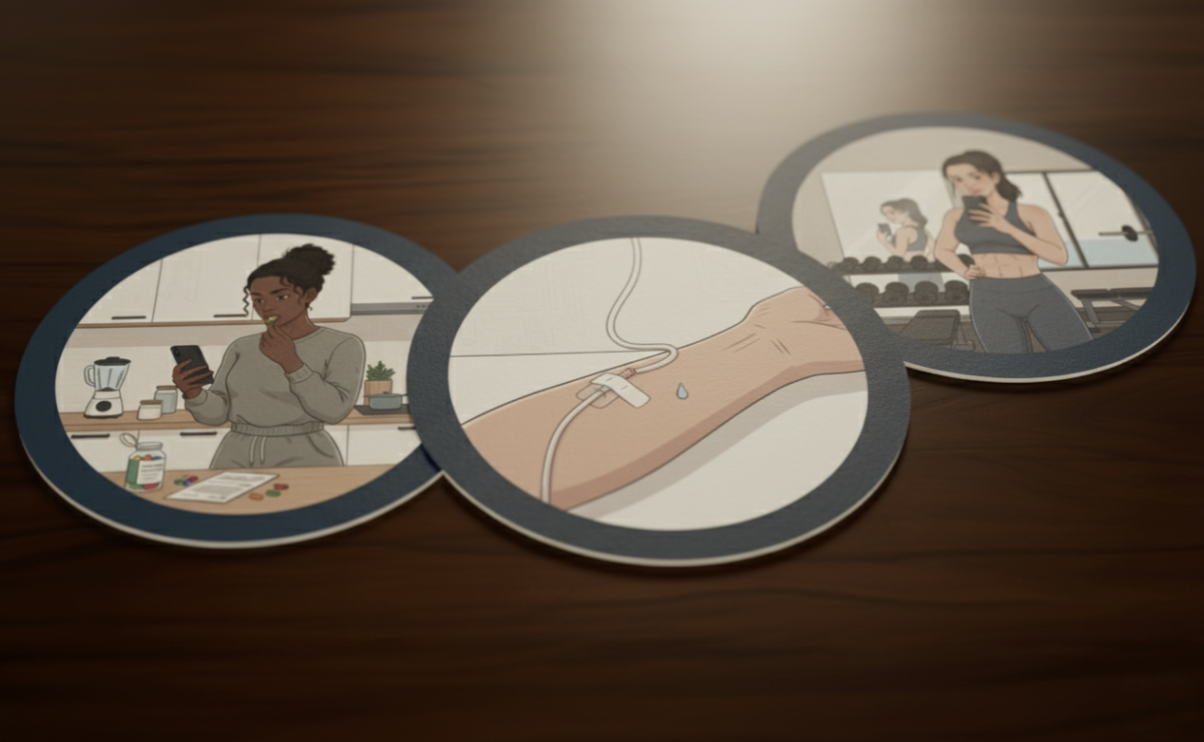
Priya: Information that used to be called “listening to your body.” You don’t need a three-hundred-pound ring to tell you you’re tired.
Marie: Maybe not, but if that ring helps one person sleep an extra hour, and that hour prevents a career-ending injury, what’s the harm?
Priya: The harm is that it teaches people to outsource intuition to technology. It’s the same system that told us to distrust our bodies in the first place. Now it’s selling us the solution, with a monthly subscription.
Marie: And yet, it’s the same system that’s finally paying attention to women’s bodies at all. For decades, sport science was built around men. If tech companies want to fund research that actually includes women, I’ll take it.
Priya: I’ll take it too, as long as we admit it’s about profit first, progress second.
Glorious: So, is it possible for wellness to be both empowering and exploitative at once?
Marie: Yeah, totally. Like anything powerful, it depends how you use it. Wellness gives people language, tools, community. It’s not perfect, but it’s a step forward.
Priya: And I think it’s a step sideways, towards self-obsession. Wellness should connect us, not isolate us. Honestly, the best recovery tool is still playing five-a-side with your mates and having a pint after.
Marie: Spoken like someone who’s never torn a hamstring.
Priya: Spoken like someone who’s been sponsored by a hydration brand.
Glorious: You do know Marie once actually did a brand deal with a water company, right?!
Priya: Of course she did! Case and point! Selling water. The one thing that’s actually free!
Marie: Fair fair. I concede! Ha!!!
(Que lots of laughing and our 5th drunken ‘Cheers’ of the evening)
And there it is. The conclusion of our Chardonnay-fuelled debate: wellness is wonderful, until it isn’t. Somewhere between the ice baths, the sleep scores and the green juice, we’ve forgotten that rest was never supposed to be a luxury. You can’t buy balance in a bottle or download calm from an app. Maybe the most radical act of self-care left is doing absolutely nothing, for free, without posting about it after.
So here’s our takeaway: if wellness helps you, brilliant. If it stresses you out, bin it. Your body isn’t a business plan and rest doesn’t need a receipt.
Do you swear by your sleep tracker, or have you ditched it for an actual lie-in? Let us know your thoughts over on social, @GloriousSport
Of course, drop us an email (info@glorioussport.com) or DM us if there’s a topic you’d like us to tackle next or one you’d like to debate over a glass or two!
Editorial Design, This is Root.
Share This Article
If you love this you’ll also love...
Debate
Aitana Bonmatí won her third Ballon d’Or Féminin last week. No shock there. The shock was our Instagram replies. So we invited two Glorious community members with very different views to the pub for a healthy debate…
Beats & Bouts
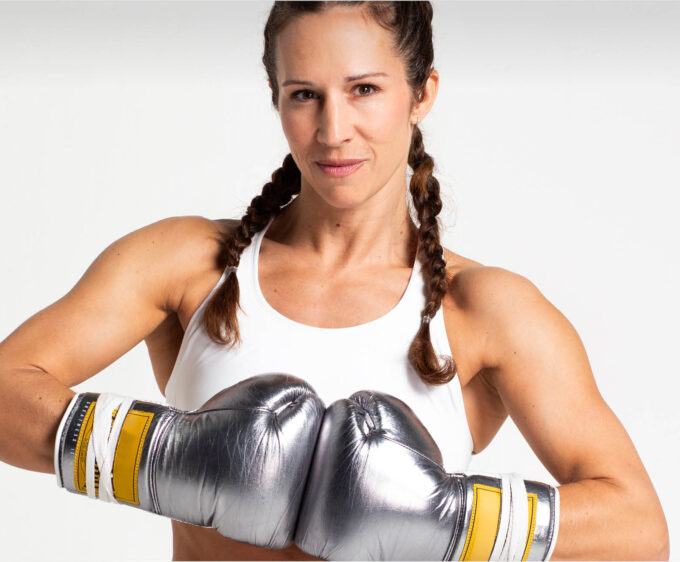
She’s solved crimes, won titles, and still finds time to coach the next generation. Rachel Bower doesn’t wait for space; she makes it happen in the Met and in the ring. Find out what power really looks like when it’s lived, not performed.
Louis Bever
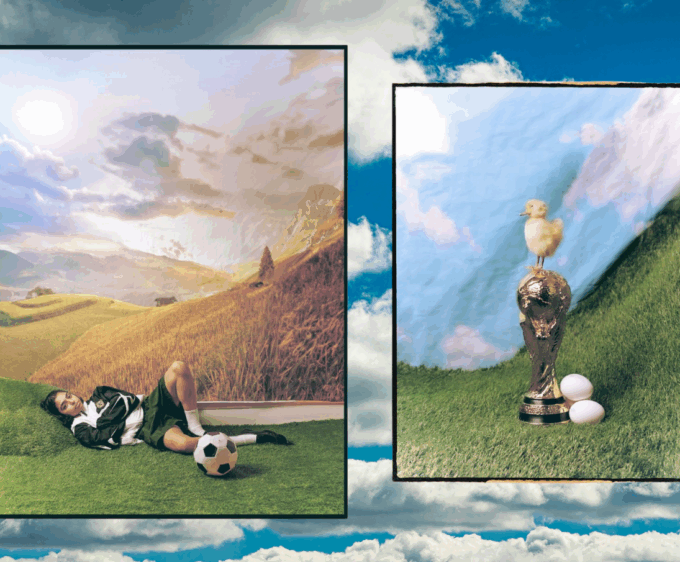
Louis Bever collects football shirts, shoots on film, cooks in Le Creuset, and wouldn’t be caught dead in a Spurs kit. His portraits are proof that football and feeling can live in the same frame.
Bend It Like Barriers
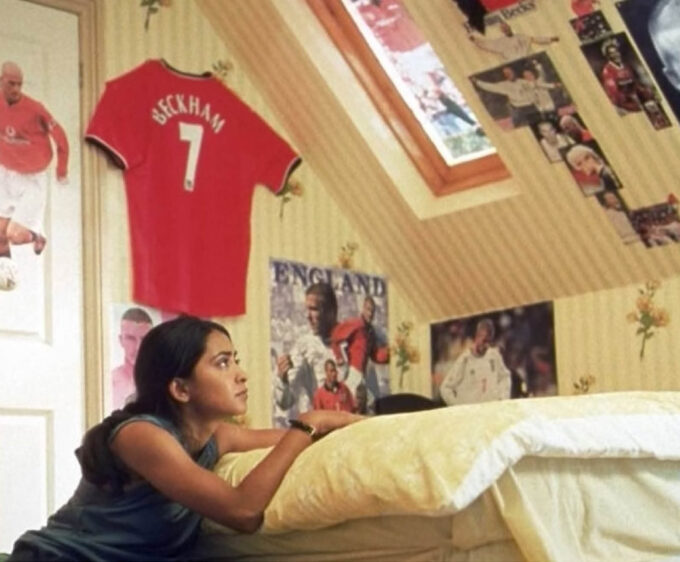
Lounging on the sofa on Sunday I found myself watching Bend It Like Beckham again. It made me wonder: have things really changed for South Asian women in football? A deep dive into whether Jess Bhamra's fight is still a reality today.