
Balance the Scales
International Women’s Day is back. Depending on who you ask, it is either an important global moment for reflection or the day brands discover the colour pink.
By Natasha D
Sunday is International Women’s Day, a moment that, depending on your cynicism levels, either means meaningful reflection on women’s rights or an avalanche of pink graphics and corporate LinkedIn posts.
But the reason the day exists is serious. International Women’s Day, marked every year on 8 March, grew out of the early twentieth century women’s labour movement and remains a global reminder that gender equality is still unfinished work.
The theme for 2026 is “Balance the Scales.” It is a call to confront the structural barriers that still limit safety, justice and opportunity for women and girls around the world. Despite decades of progress, unequal systems remain deeply embedded across law, politics, sport, media and culture.

At Glorious, International Women’s Day is an important moment. But it is also a reminder that the work cannot be contained in a single Sunday in March. If we are doing our job properly, every day should look a bit like International Women’s Day.
Glorious was founded on a simple belief. Women’s sport deserves the same cultural storytelling as men’s sport. Not as a niche category, not as a token add-on, but as a central part of global sport and culture.
That means telling the stories properly.
Over the last year alone we have photographed Olympic champions in their hometowns, documented boxing gyms and grassroots clubs, followed the Tour de France Femmes through the eyes of photographers embedded inside the race, and spent time with the artists, architects, photographers, athletes and organisers shaping the future of sport. We have looked at the women designing stadiums and training centres, the creatives redefining how sport is photographed, the collectives building community through movement, and the athletes pushing boundaries from football pitches to mountain cliffs. From boxing in Monte Carlo and piloting in Australia to calisthenics in Brixton, extreme sport in the Utah desert and Irish dancing in Dublin, the aim has always been the same: to place women’s sport firmly in the wider cultural conversation where it belongs.
And it matters.

Because the visibility of women’s sport is changing quickly. The Women’s Sport Trust Visibility Report 2025 found that coverage of women’s sport across UK free-to-air and pay-TV broadcasters exceeded 10,000 hours for the first time, delivering a record 397 million viewing hours, up from 384 million in 2023.
Audience demand has continued to grow alongside that increase in exposure. In 2025, 48 million people in the UK watched women’s sport, making it the most-watched year on record.
Even more telling is how audiences behave when women’s sport is actually shown. Although women’s sport accounted for 8 percent of prime-time sports coverage in 2025, it generated 13 percent of prime-time sports viewing hours, demonstrating strong engagement relative to the amount of airtime available.
Coverage shapes attention. Attention shapes investment. Investment shapes opportunity.

When women’s sport is photographed well, written about properly and presented as culture rather than novelty, the entire ecosystem grows.
That is why Glorious approaches storytelling differently. We collaborate with photographers, artists and writers across the world, building a creative network that treats women’s sport with the same visual ambition you would expect from fashion, music or film. We spend time with athletes and the communities around them. We follow stories that are human, funny, complicated and occasionally chaotic, because that is what real sport looks like.
Alongside the editorial platform, Glorious also operates as a full-service creative studio, producing campaigns, content and cultural storytelling with brands, leagues and partners who want to reach audiences that traditional sports media has historically failed to engage.
Have a scroll through Glorious and you will find women building careers in sports that have not always had the spotlight. You will find photographers, designers and artists shaping how those stories are seen. You will also find men doing the work alongside them. Coaches, organisers, creatives and allies who understand that changing sport means changing the culture around it too. That, in its own small way, is what balancing the scales looks like.

It is also why our audience is broader than traditional sports media. Many people who read Glorious would not necessarily describe themselves as sports fans. They come for the photography, the culture, the design, the human stories. Then they stay for the sport.
That crossover matters. Because growing women’s sport is not just about convincing existing sports fans to watch more games. It is about welcoming entirely new audiences into the story.
Which brings us back to International Women’s Day.
The idea of “balancing the scales” is not abstract when you look at sport. Women’s leagues are expanding, media rights are rising and global audiences are growing quickly, but structural gaps still exist across funding, coverage and opportunity. Closing those gaps requires visibility, investment and storytelling that treats women’s sport as central rather than supplementary.
achievement

Glorious exists in that space.
We are a commercial venture driven by purpose. We partner with brands, athletes and organisations who believe women’s sport deserves creative ambition, global attention and serious storytelling. And we use the platform we have built to amplify the people pushing the industry forward.
So yes, Sunday is International Women’s Day.
But if you scroll through Glorious this week, next week or any week of the year, you will see the same thing happening again and again: athletes, creatives, communities and organisers shifting the culture of sport forward.
That is how the scales move.
One story at a time.
Natasha
MD Glorious Sport
Have you got one? Email us: SUBMISSIONS@GLORIOUSSPORT.COM
Title Image:
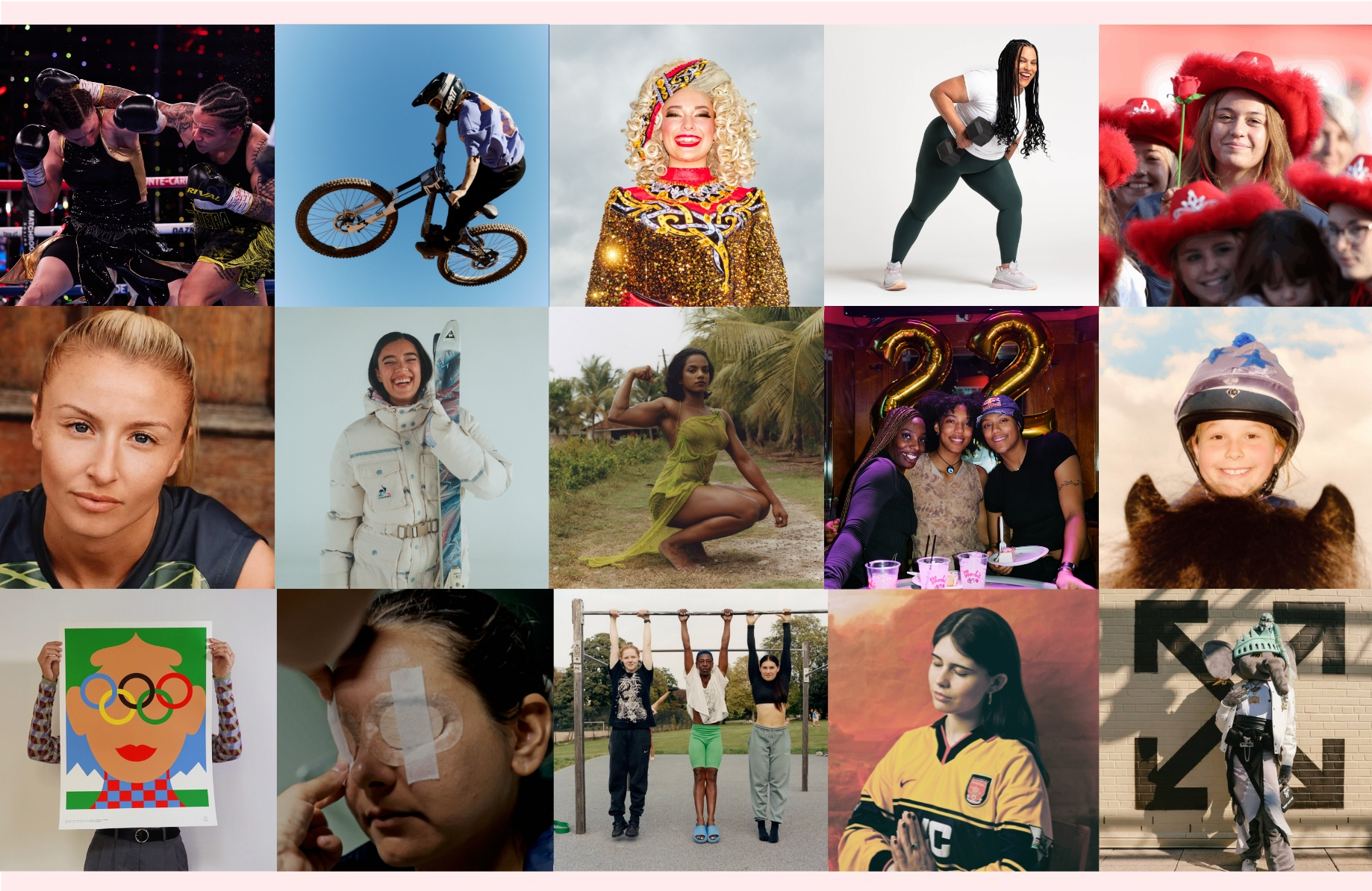
Row 1: 24 Hours in Monte Carlo / Dig + Drop, photographed by Dominique Powers / Beyond the Bling photographed by Joe Hart / The Night Lift photographed by Heiko Prigge / Red Roses Rising
Row 2: Peak 90s photographed by Alasdair McLellan / Cold Kits / Shaping Strength photographed by Keerthana Kunnath / Golden Girl photographed by Dominique Powers / Pony Power photographed by Joe Hart
Row 3: Cortina Calling / Blind Goals photographed by Mathieu Mamousse / Sport of the Streets photographed by Jade Smith / In Conversation: Louis Bever photographed by Louis Bever / The Long Game
Share This Article
If you love this you’ll also love...
Golden Girl
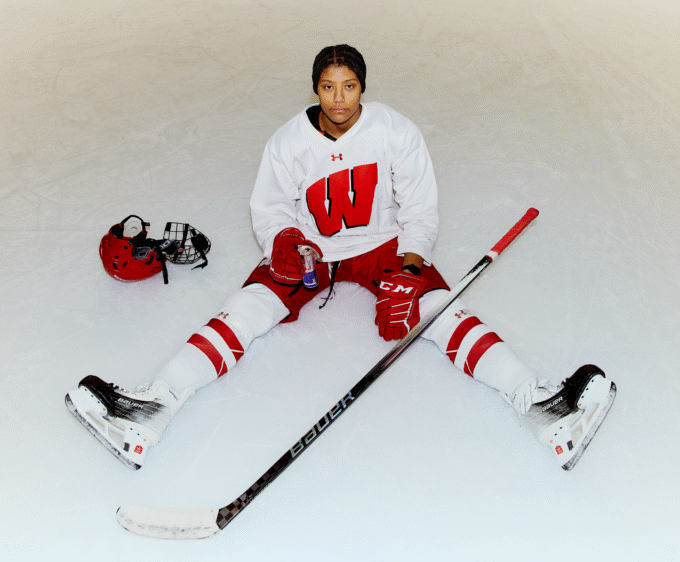
We met Laila Edwards before the gold medal. Before Milan. Before the headlines. In Wisconsin, with her family around her and Dominique’s camera rolling, we saw the making of a champion who would go on to help deliver Olympic history.
24 Hrs in Monte Carlo
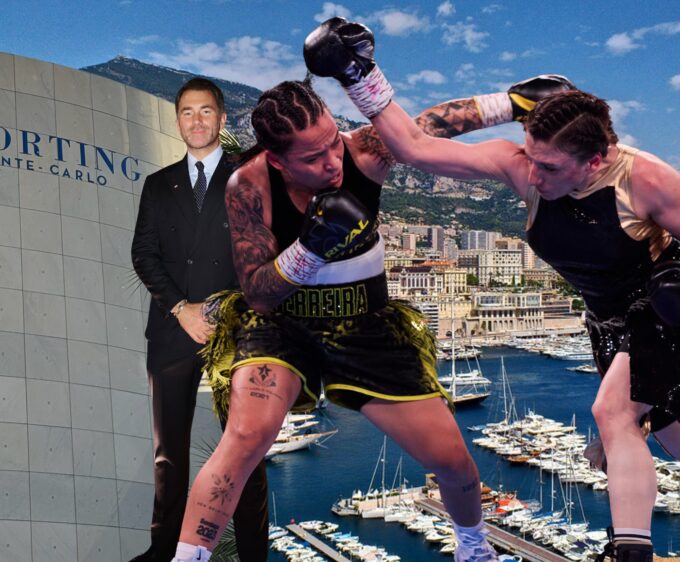
Champagne, fast cars and a world title fight that stopped the room. We go behind the black tie in Monaco for a rare conversation with Matchroom Chairman Eddie Hearn about equality of value, terrifying teenagers and the fight to keep women’s boxing built on substance rather than gimmicks.
What goes on Tour…
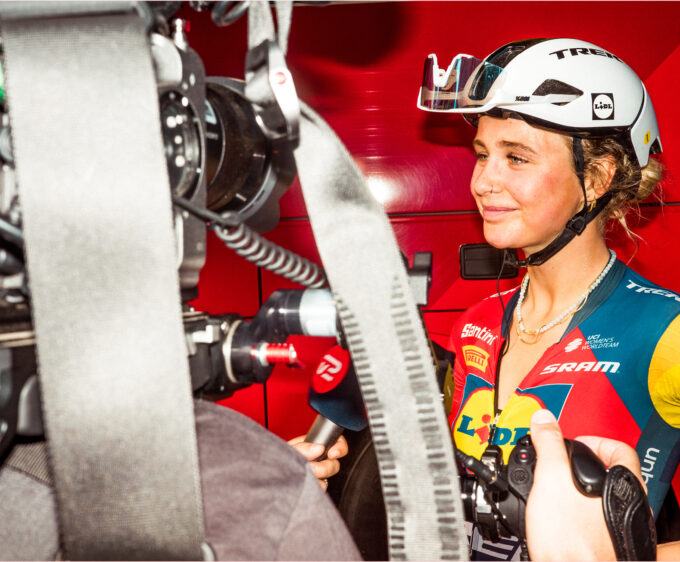
… doesn’t stay on tour. We meet team Lidl-Trek’s official videographer Sean Hardy to discover how he captured the chaos, the camaraderie, and the untold stories of this year’s Tour de France Femmes.
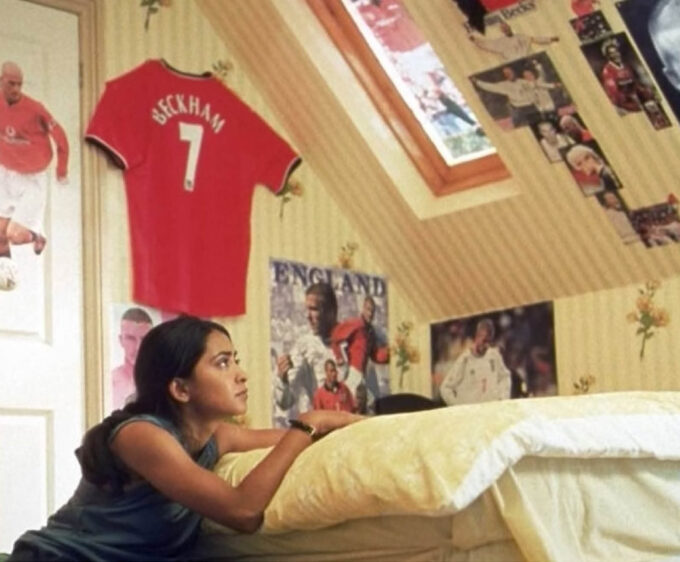
Bend It Like Barriers
Lounging on the sofa on Sunday I found myself watching Bend It Like Beckham again. It made me wonder: have things really changed for South Asian women in football? A deep dive into whether Jess Bhamra's fight is still a reality today.