The Long Game
Fashion and sport have always flirted, trading looks and stealing from each other’s wardrobes, but this season feels different. The flirtation is over. They’ve finally tied the knot, creating a power couple built on ambition, imagination and reach.
By Natasha Dugarin
Another year, another spring summer, and as we all knew, sport was back on the runway. Not as a passing reference or a half-hearted nod, but as the main act. Not a trend, not a vibe, not another lazy “athleisure is back” or “get the sports luxe look” cycle. This was structural. Sport is no longer a visitor in the world of luxury fashion. It is the scaffolding. Everywhere you looked, designers were building on the language of power, movement, stamina, choreography and competition. Fashion week had become a relay race, and sport was carrying the baton.
It has been coming for years. The courts and pitches have always whispered to the catwalks. Hermès was built on harnesses. Lacoste was born on a tennis court. But SS26 has made the connection impossible to ignore. This season, the industry didn’t just borrow the motifs of sport. It staged the games.
Fashion and sport have always flirted. They’ve traded looks, shared icons, stolen from each other’s wardrobes. I remember my first proper feature, fifteen years ago, being about the rise of ‘sports luxe’, and every few years we’d declare it a comeback, as if it had ever really gone away. Back then, the affair was quiet, the influence subtle. A zip here, a stripe there, just enough to suggest a gym bag left artfully open. Now it’s different. Fashion hasn’t just invited sport inside, it’s married it. And this time, it feels like a forever thing. Sport gives fashion structure, rhythm and purpose. Fashion gives sport imagination, glamour and reach. Together, they’ve built something neither could manage alone. Even at houses with no athletic heritage, the references appeared because sport is no longer a muse. It is the language.
choreography
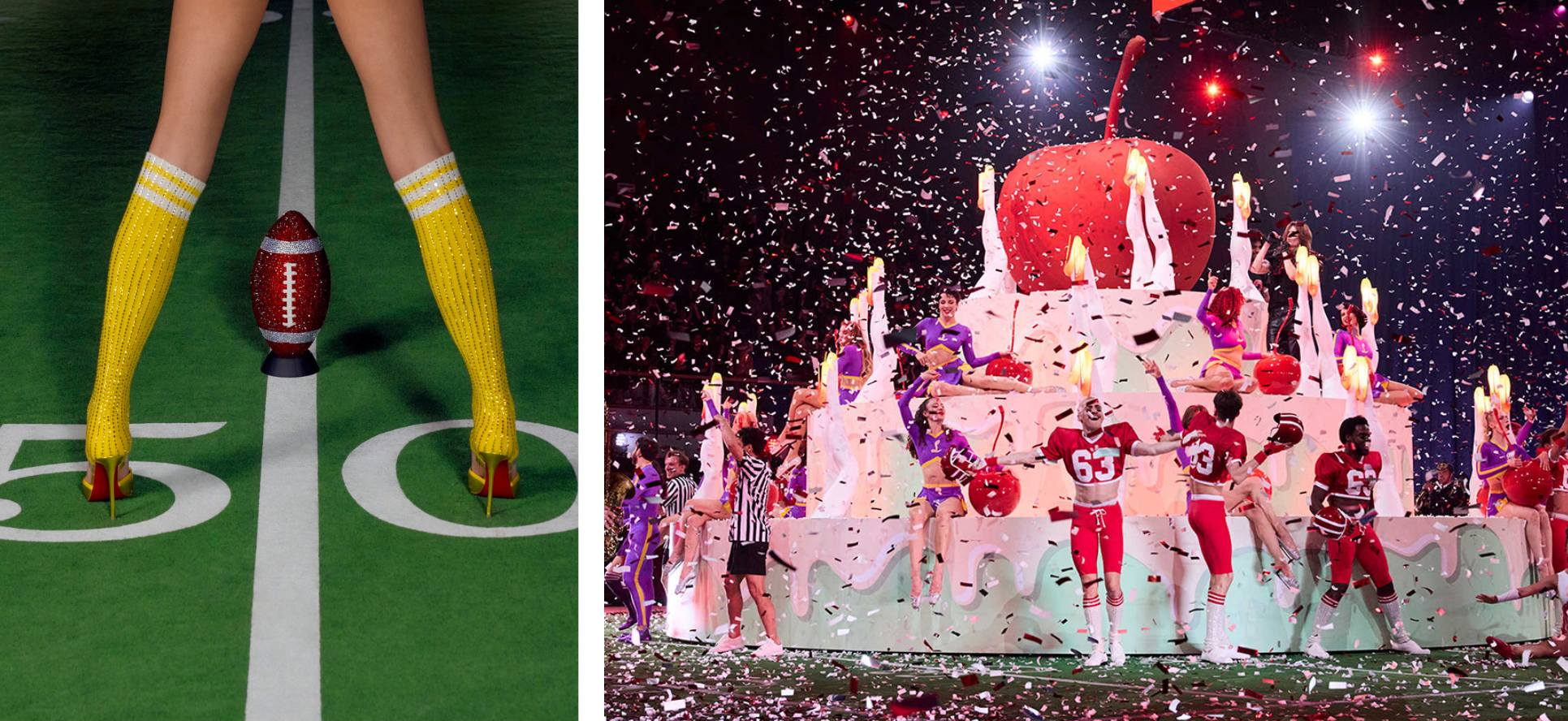
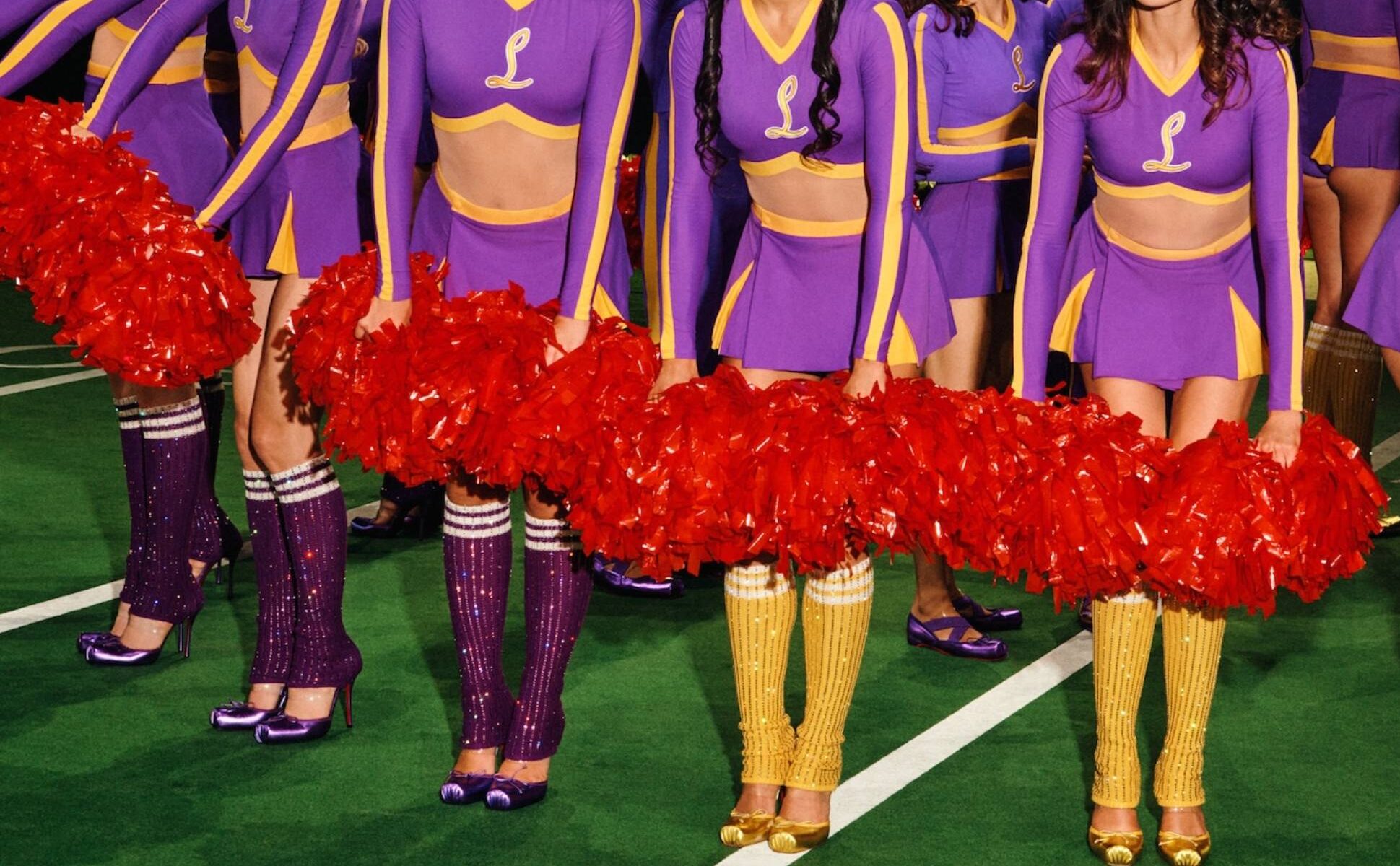
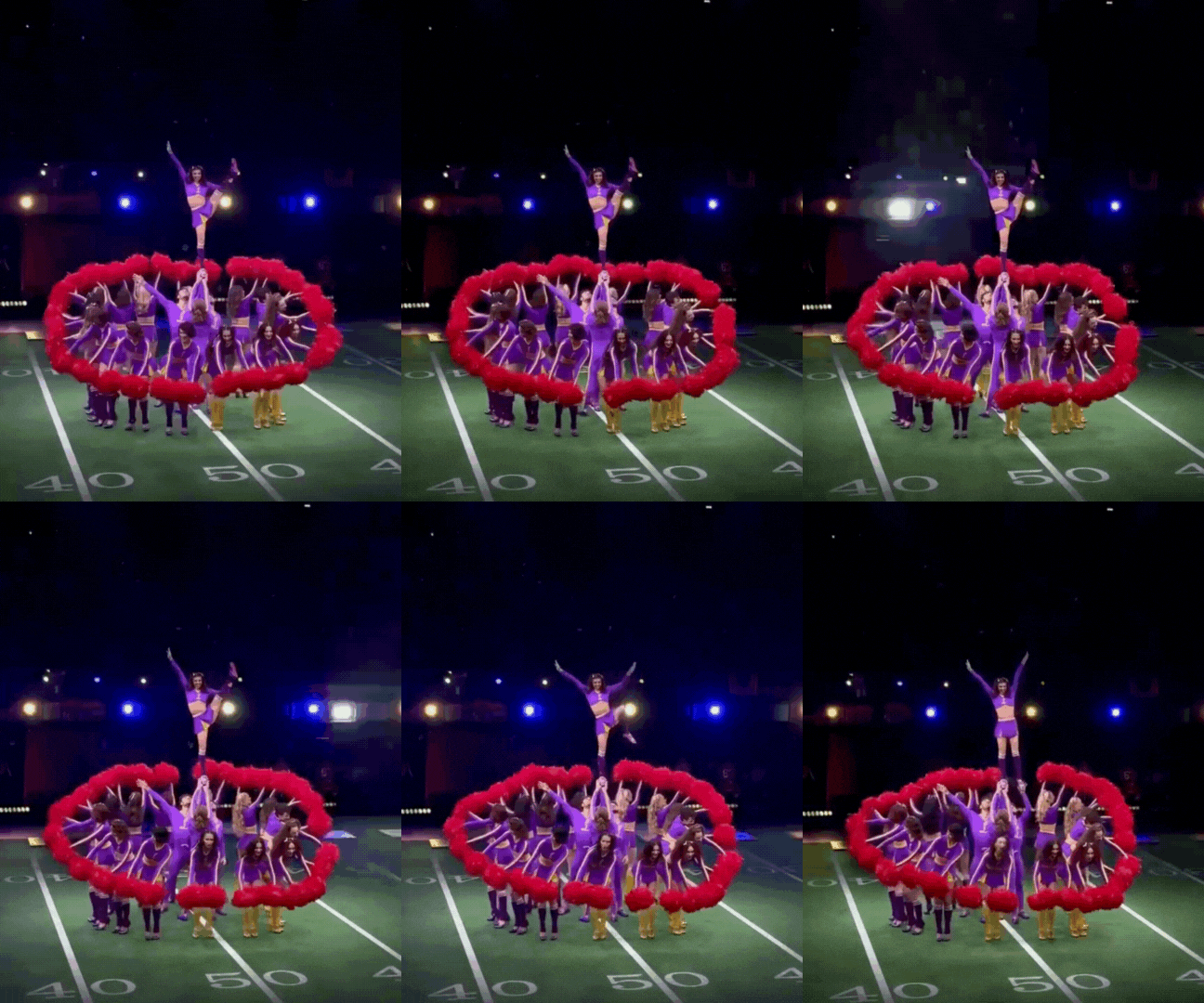
Nowhere was that more literal than at Christian Louboutin’s ‘Loubi Show’ in Paris, which turned the Dojo Arena into an American football stadium. It began with a marching band. Cheerleaders spun across the floor while models stormed down the field in heels that looked capable of scoring their own touchdown. It was choreographed by Blanca Li and directed by David LaChapelle, which is to say there was nothing accidental about the spectacle. Five acts, spotlights, jumbotrons, pom-poms, pageantry. And in the middle of it all, a shoe. The Cassia line, born from ballet and rebuilt for this season in new sculptural forms. There was even a menswear Cassia debut and the Ballerina Ultima re-imagined, gleaming in strass and balanced on what looked like a cake stand the size of a stage.
Louboutin’s brilliance lies in his ability to turn fetish into folklore, and this time the fetish was movement. The show fused the ritual of sport with the ritual of fashion week. Both are choreographed, both demand spectatorship, both sell aspiration. What made this moment important was not that Louboutin used sport as decoration, but that he treated it as structure. He built a literal stadium and invited fashion to play.
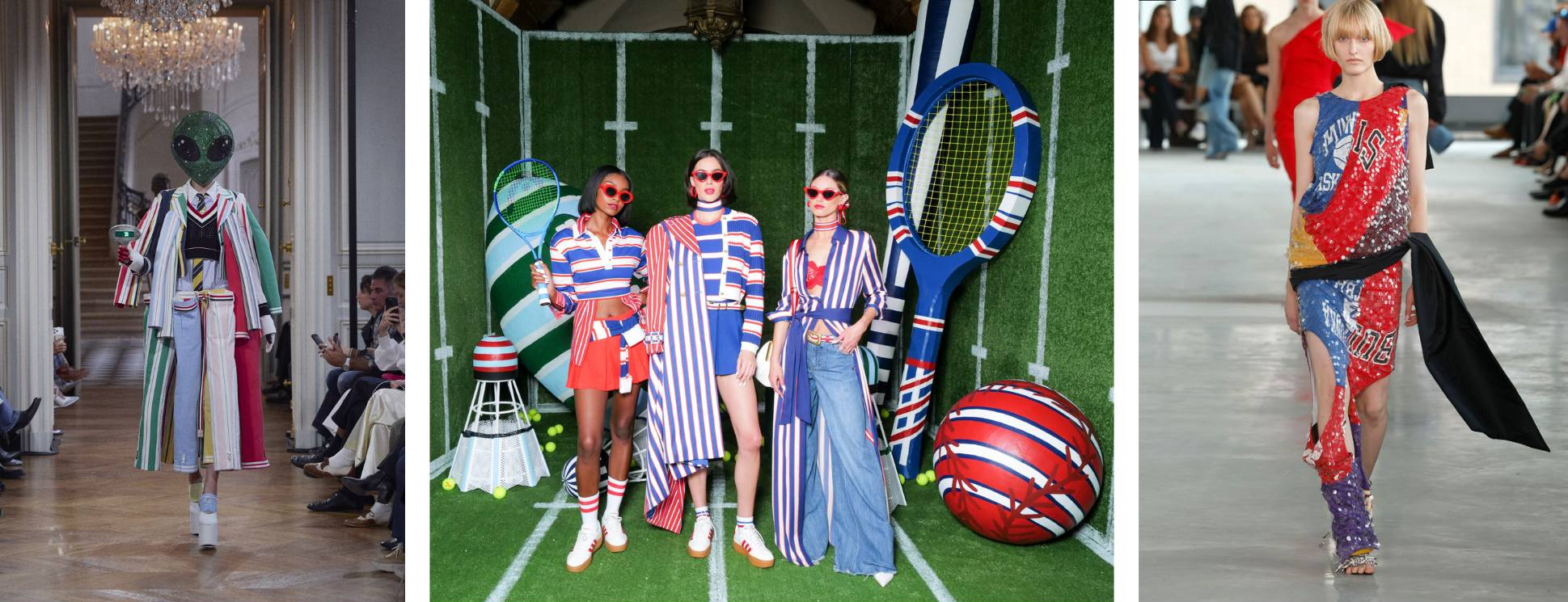
Area took a different route, sending out basketball-inspired gowns glittering with sequin numbers and netted hems. The tension between glamour and grit has always been part of Area’s vocabulary, but this time it felt heavier with meaning. Sport wasn’t the moodboard. It was the muse.
Thom Browne’s SS26 collection was his most surreal and athletic yet. He has always been the master of prep, but this time he sent out a collegiate fever dream, complete with exaggerated blazers, striped seersucker and tailoring that twisted the codes of academia and sport with humour and precision. The models looked like they’d stepped out of a campus in space, where the uniform was ambition and the dress code was alien. While Browne has long played with hierarchy and uniform, this season felt like a full embrace of athletic codes, reimagined through a lens of absurdism and control.
Meanwhile, Alice + Olivia took us off the spaceship and transported us to the cool girls’ country club, showcasing a preppy and polished presentation that felt both nostalgic and fresh.
At Loewe, Jack McCollough and Lazaro Hernandez put the house’s craftsmanship to work on what they called civilised sportswear. There were leather bombers cut like windbreakers, ribbed polos sliced at the hem, white T shirts and torn denim reimagined through the filter of couture. Loewe’s show was athletic only in attitude, but the influence was undeniable. It looked like American sport filtered through the Spanish lens of luxury.
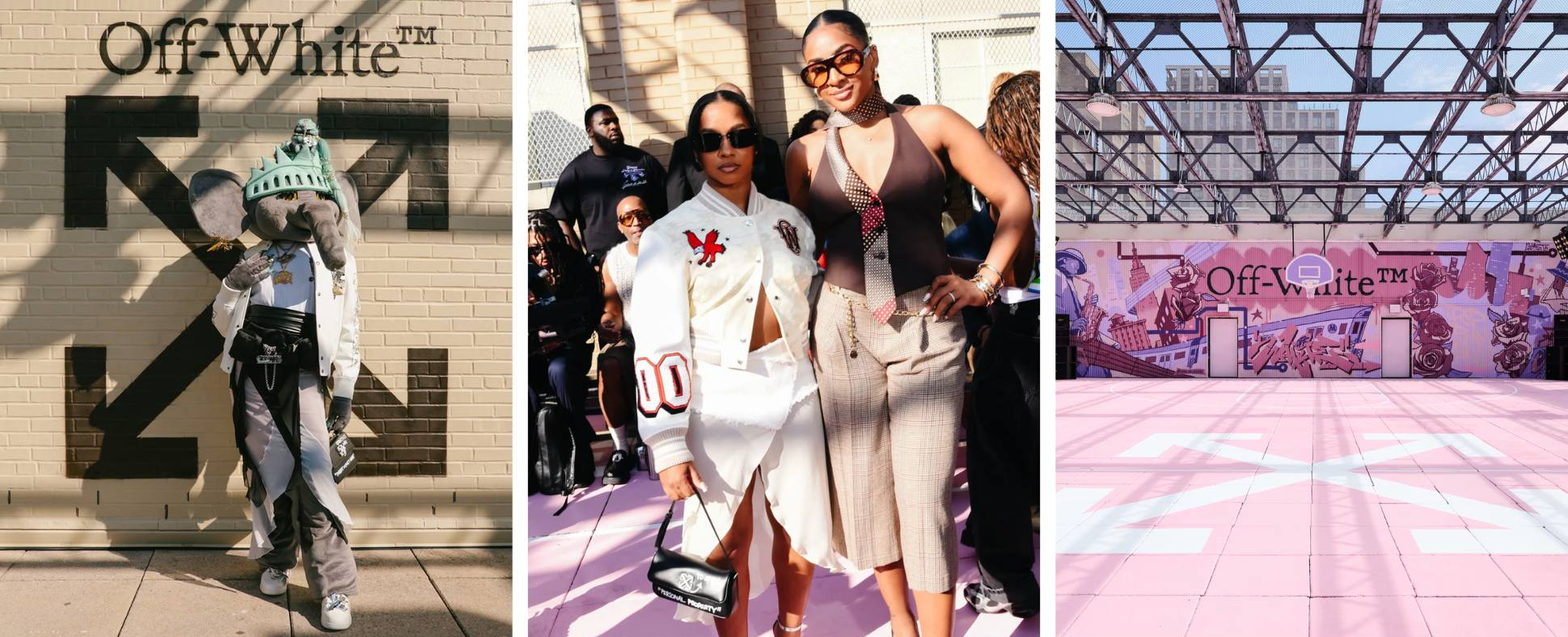
Off-White, born from the streets and elevated by Virgil Abloh’s vision, has always had sport in its DNA. From the start, it blurred the lines between the court, the locker room and the runway, blending athletic culture with high fashion. Abloh’s “The Ten” collaboration with Nike redefined sneaker culture, transforming performance footwear into collectible art. That legacy remains central to the brand today.
For SS26, Off-White took to a rooftop basketball court at New York’s New Design High School, complete with chalk lines and bleachers. It was a clear nod to Abloh’s belief that sport is the most democratic form of design. The show drew a crowd of famous faces, including gymnast Jordan Chiles and basketball player Deja Kelly, with a surprise appearance from New York Liberty mascot Ellie the Elephant in the front row – perhaps hinting at a future collaboration with the team?!
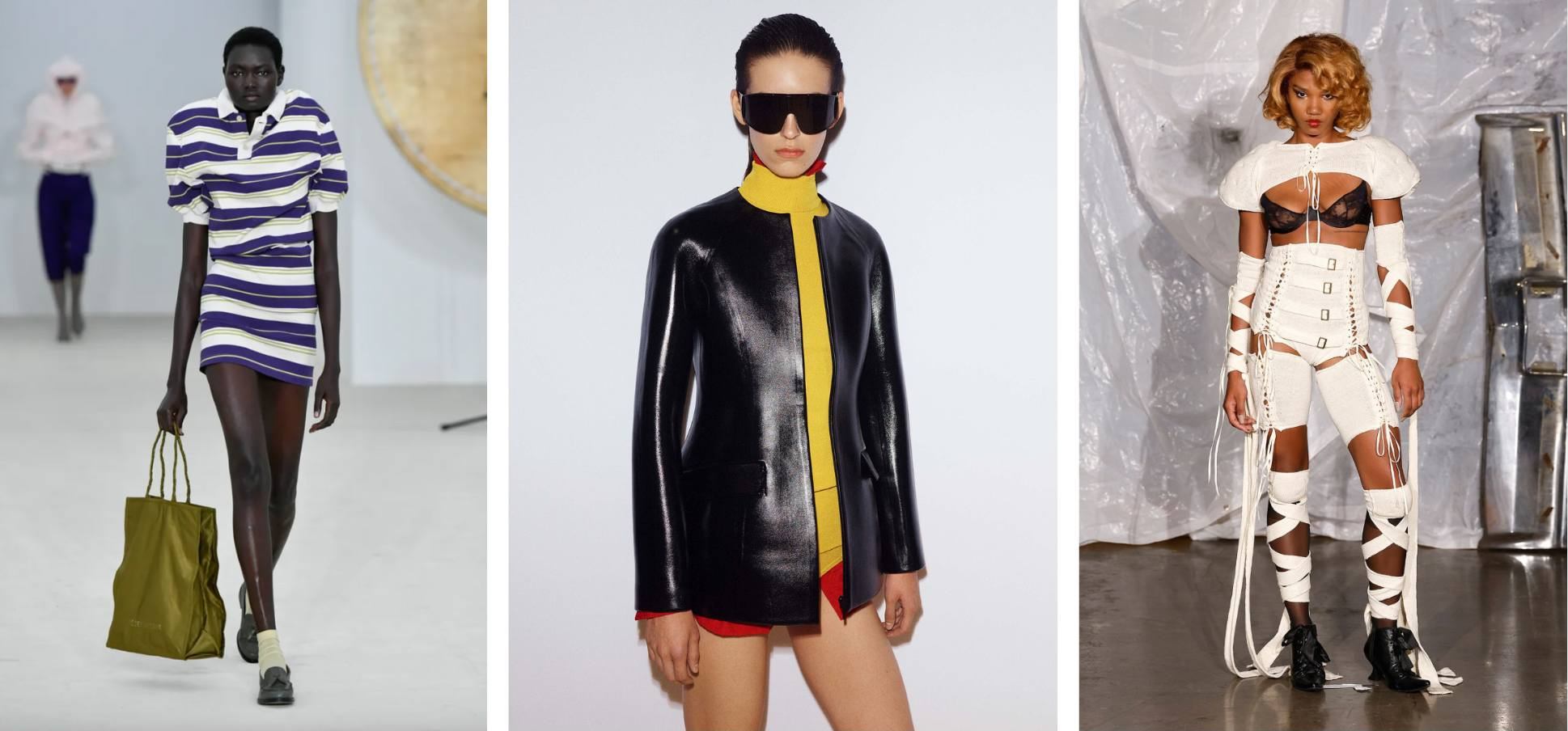
While some shows made slight nods to sports via rugby-inspired polos paired with knee-high Pilates socks (hello Christian Cowan), Gabe Gordon took to the football field and Theophilio shook their pom poms, whilst Issey Miyake shrugged its shoulders (literally!), sending out polo dresses and hoodies in surrealist proportions, echoing casual sportswear while challenging traditional garment structures.
feminine
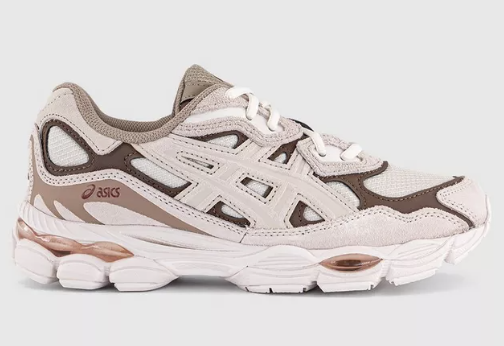
The once-taboo dance between luxury houses and performance brands has become a full-blown union and ASICS have been busy. Cecilie Bahnsen continues to work with the Japanese athletic footwear giant, sending out a collection featuring her signature dreamy feminine silhouettes, crafted from hardy mountain jackets and topped off with a pair of trainers, seamlessly blending the aggression of sport with the eccentricity of folklore and femininity. It’s a smart play, a way of reminding consumers that fashion can function and doesn’t always need a heel.
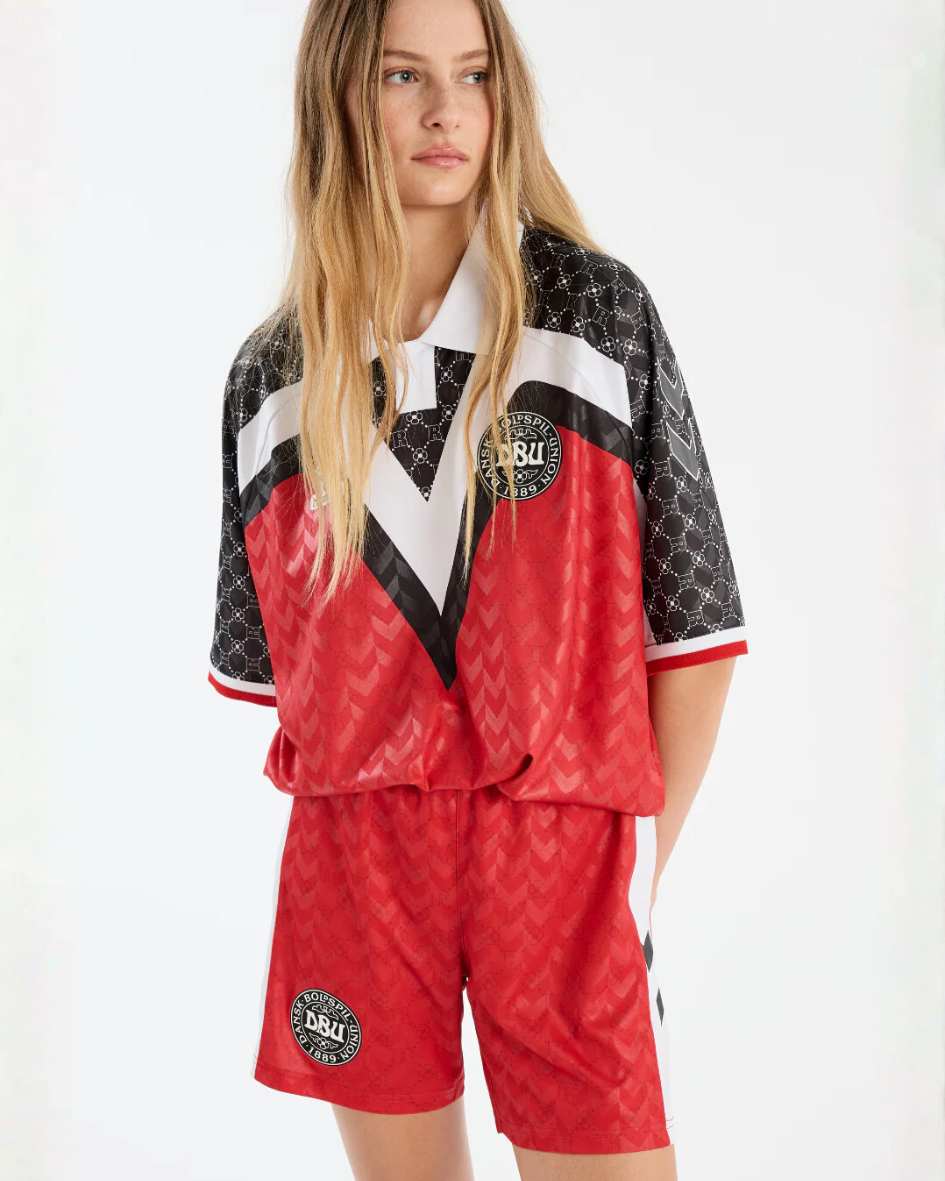
But this crossover goes far deeper than shoes. Fashion houses are now designing the kits themselves. Real kits. Not “inspired by” collections, but the actual uniforms worn by women’s teams. In Denmark, ROTATE Birger Christensen worked with Hummel to create the official kit for the women’s national football team, a design that looked exactly how you’d expect from a brand known for partywear: sharp collars, chevron graphics, confident colour. Since then, ROTATE has become the team’s official formalwear partner, dressing players for major tournaments and appearances beyond the pitch.
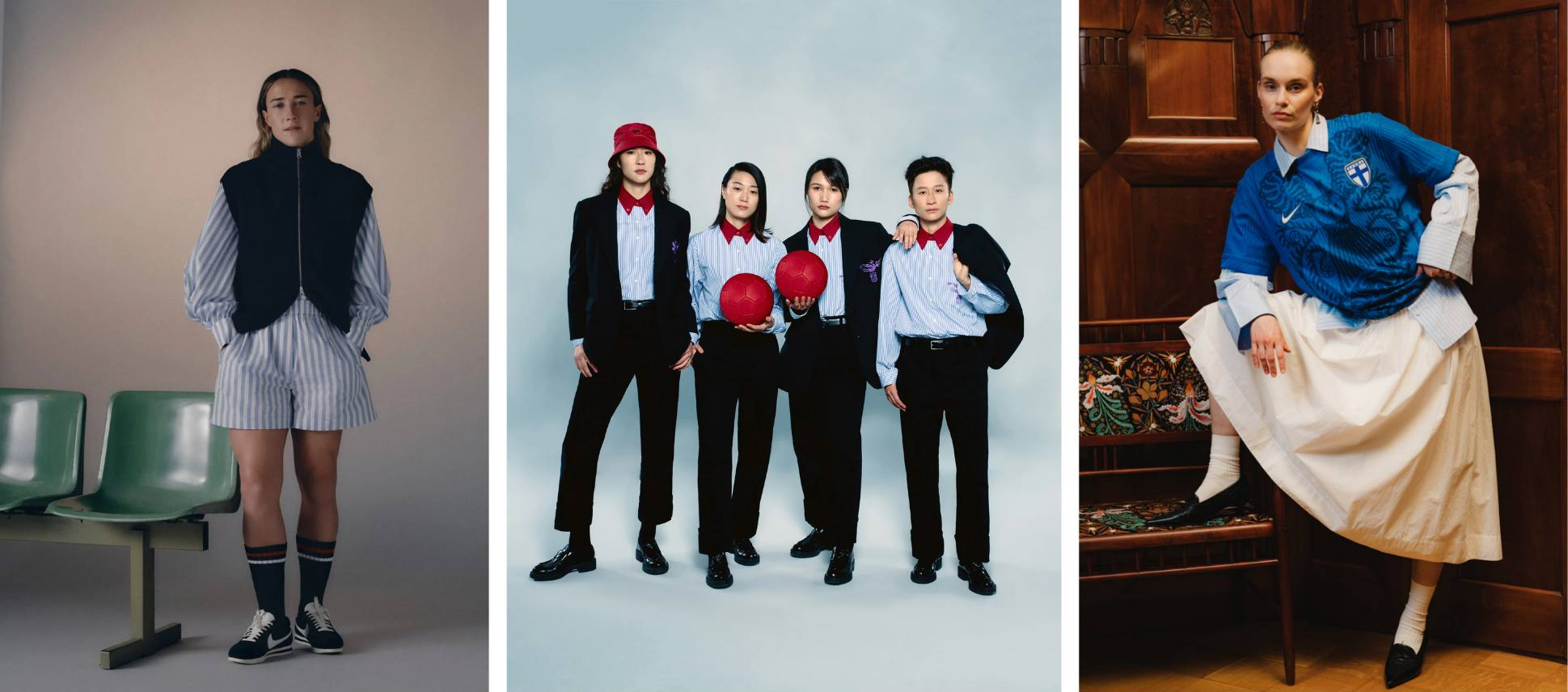
ALIGNE, the British brand rooted in sustainable design, not only dressed the Welsh women’s national team for Euro 2025 in elegant tailored travel wear but also launched the Lucy Bronze x ALIGNE capsule collection, co-designed with the England star, which is still available to buy. Prada, similarly, stepped in to dress the Chinese women’s national team in sharp, modern tailoring for major tournaments.
The women’s game is no longer an afterthought in design. It is the brief, a revenue generator, and sportswear giants are responding, taking cues from art and high fashion in response. Nike’s collaboration with Finnish designer Klaus Haapaniemi for the Finland women’s Euro 2025 kit was genuinely beautiful, featuring gold detailing and hand-drawn patterns inspired by Art Nouveau architecture. It was less about moisture-wicking and more about cultural expression.
Adidas did the same across Europe, commissioning designs rooted in national art histories. France’s kit featured a delicate Claudine collar and an Art Nouveau font for player names. Belgium’s used bold geometric abstraction drawn from early twentieth-century design. These touches turned kits into canvases, merging art, identity, and performance.
None of this happens by accident. The financial logic behind it is undeniable. The audience for women’s sport is the fastest-growing sector in global entertainment. Deloitte’s 2025 forecast placed revenue for elite women’s sport at over $2.3 billion, up almost 40 percent from just three years ago. Broadcast rights are finally being valued properly. Attendances for the WSL, the NWSL, and the Women’s Champions League continue to break records. Sponsors are catching up. For luxury brands, this is not about token representation. It’s about tapping into an audience that is young, engaged, and values authenticity over legacy.
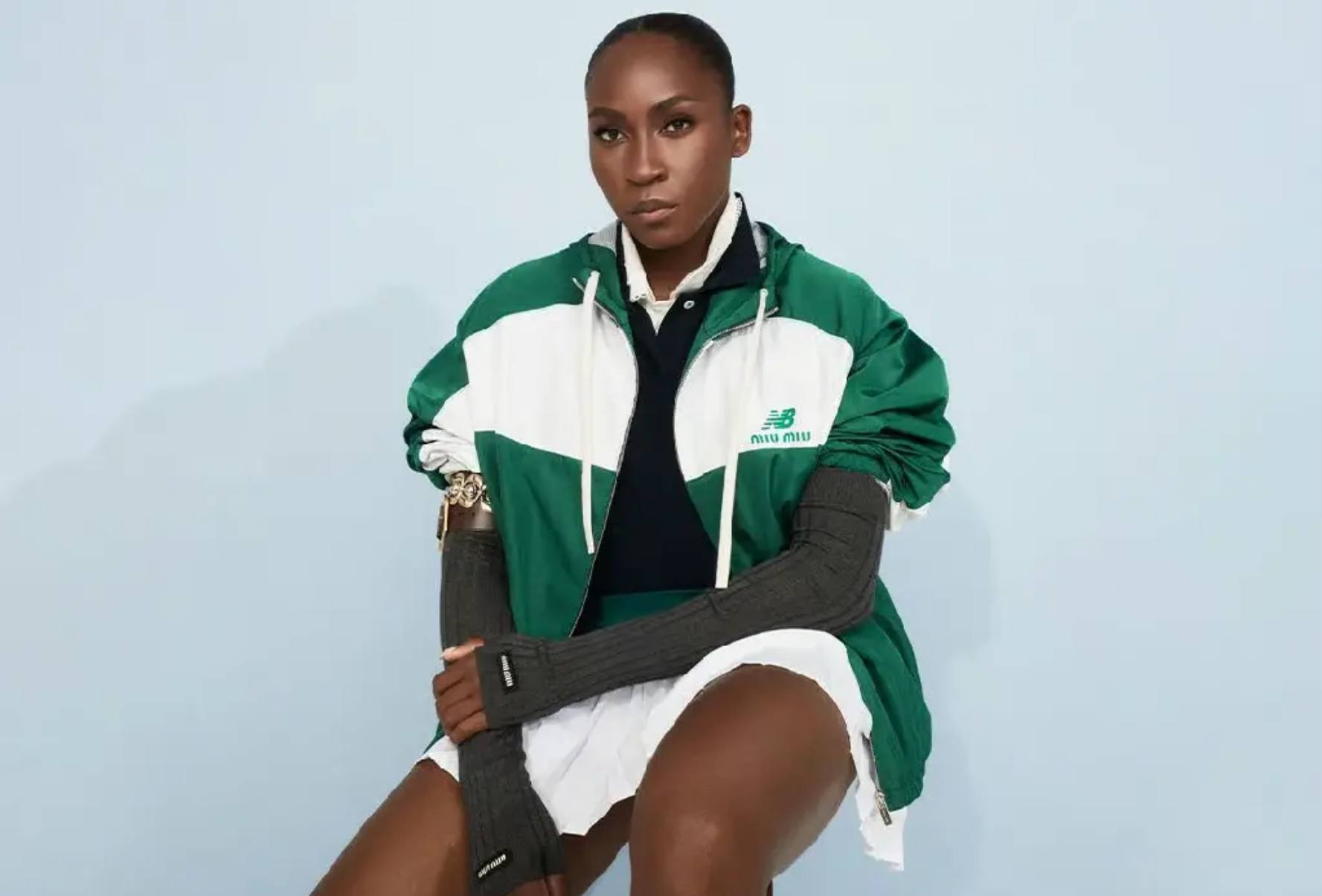
And authenticity sells. A McKinsey report on the monetisation of women’s sport identified athletes as “new-generation influencers with performance credibility and aspirational reach.” That sentence could have been written for Coco Gauff. Her partnership with Miu Miu and New Balance is the most elegant case study in the entire movement. Gauff doesn’t just wear co-branded gear. She co-designs it. The Coco CG2 sneaker is both a high-performance court shoe and a collectable fashion object, released with Miu Miu’s colour palette and campaign language. She wore it during major tournaments, and the product sold out online in hours. Gauff’s Miu Miu Select pop-up at New York Fashion Week blurred the lines even further between player and designer, sport and style.
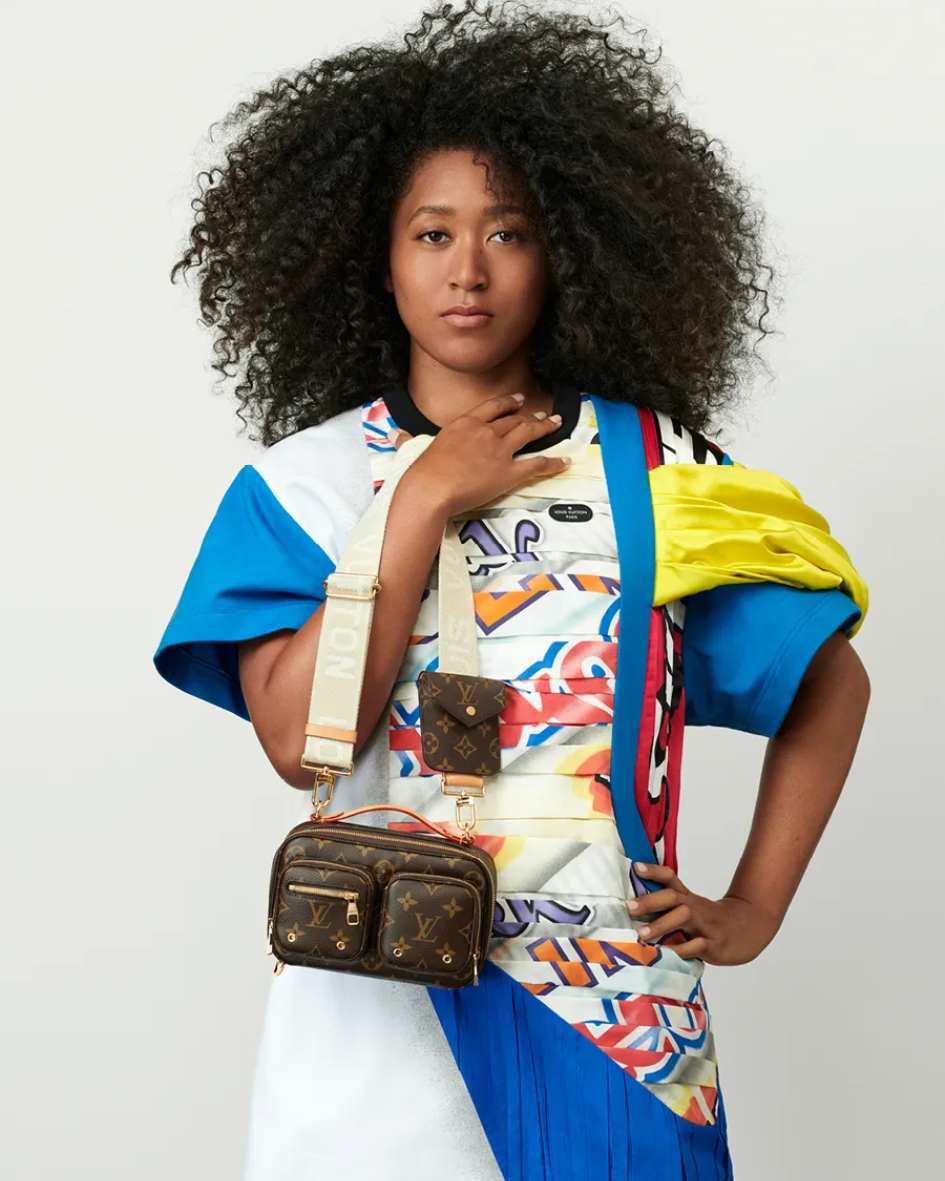
Elsewhere, Naomi Osaka continues to expand her role at Louis Vuitton, fronting campaigns that merge activism, motherhood, and fashion authority. These are not brand deals in the old sense. They are creative collaborations built on mutual credibility.
opportunitY
All of this folds into a broader cultural logic. The days when an athlete would appear in a brand campaign only to look uncomfortable are gone. Now they are the muses, the stylists, the curators. They shape the narrative. They offer something celebrity models can’t: physical credibility. The runway now values muscle memory as much as bone structure.
The consumer side tells a parallel story. The modern woman buys for movement. Whether it’s a dress that stretches or a bag that fits a gym kit, functionality is now a form of luxury. The pandemic shifted how people dress and how they define elegance. Today, elegance looks like ease. That’s why the old heritage houses are thriving again.
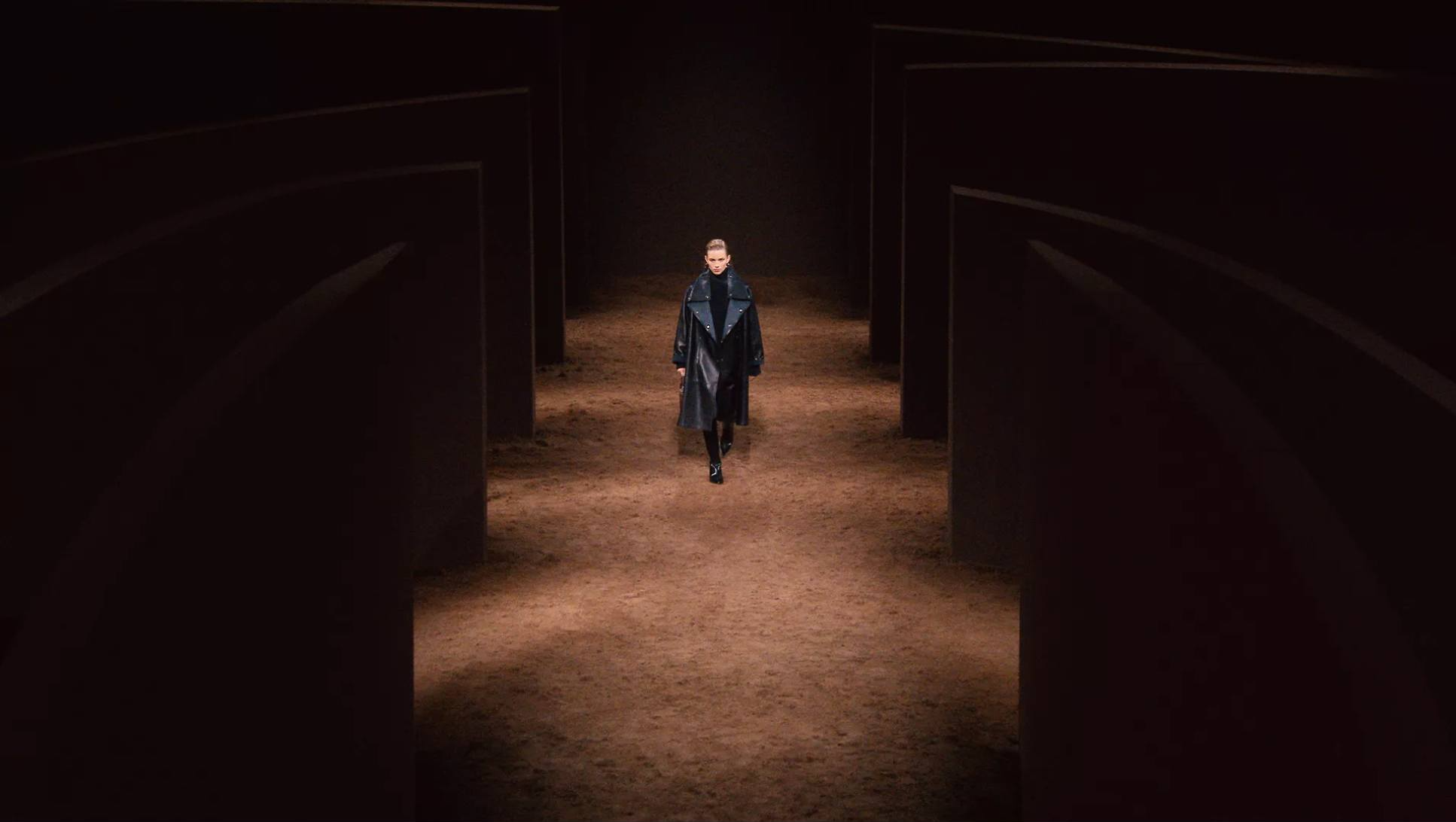
Hermès, for instance, has always been rooted in equestrian sport, but in recent collections that reference has become overt. The FW25 show really leaned into the horse-girl aesthetic as models walked through the sand school at Garde Républicaine, a historic cavalry base.
Leather skirts echoed saddles, belts fastened like bridles. Even the staging was earthy and grounded. The message was subtle but unmistakable: the brand’s origins in sport are what make its modern identity possible.
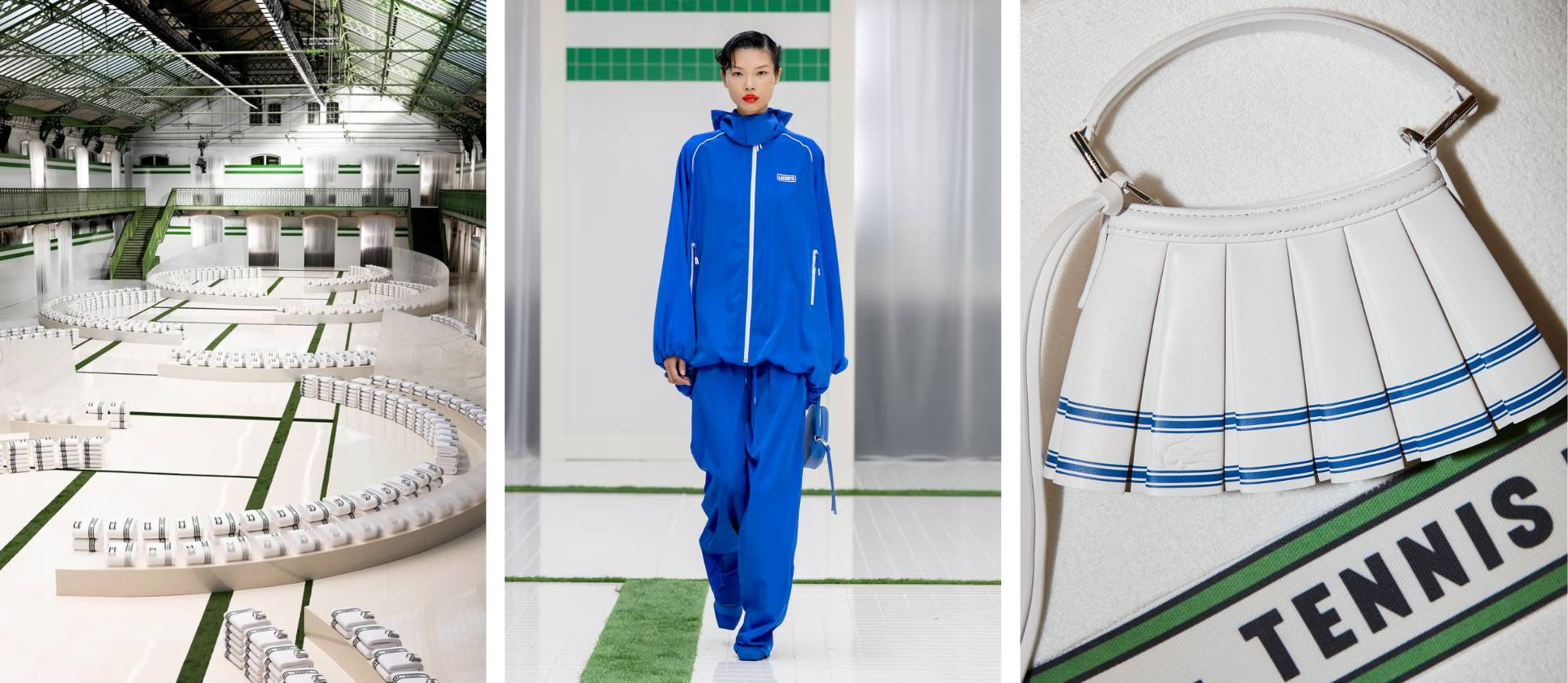
Gucci has maintained a similar thread through its Horsebit and equestrian motifs, while Ralph Lauren continues to position polo as the defining image of American luxury. At the same time, Lacoste’s SS26 collection returned to its tennis roots, sending models down a runway designed like a locker room (with press seated atop crisp white towels for seats), with “For Tennis Use Only” motifs, trench coats made from towelling, and reimagined polos that nodded to the brand’s sporting DNA.
The cyclical fascination with sport is not accidental. It’s structural. These brands remind fashion that its sense of grace, discipline, and proportion was learned from sport long before sneakers became a status symbol.
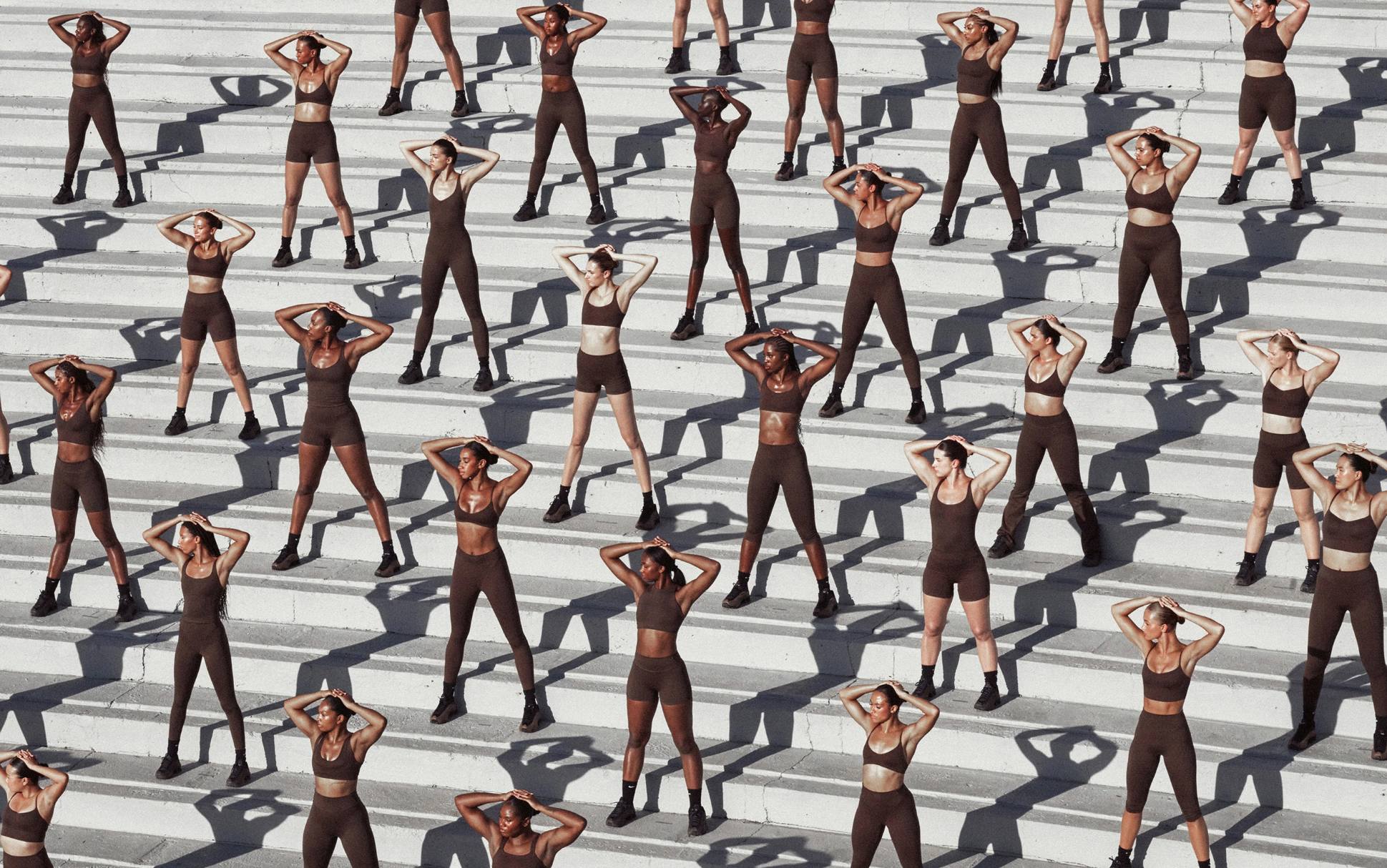
And then there is the rise of the lifestyle brand as a cultural institution. SKIMS by Kim Kardashian, once dismissed as shapewear, is now the official underwear partner of the NBA, WNBA, and USA Basketball. That announcement broke through the fashion calendar like a siren. Kardashian’s SS26 presentation of NikeSKIMS built directly on that partnership, staged on the steps of the New York Public Library and framed like a performance in motion. The show featured a half-court set, bleachers filled with celebrities, and a lineup of garments that, according to its tagline, are built to sculpt and engineered to perform. SKIMS has made inclusivity and function fashionable, but what it really sells is comfort redefined as aspiration.
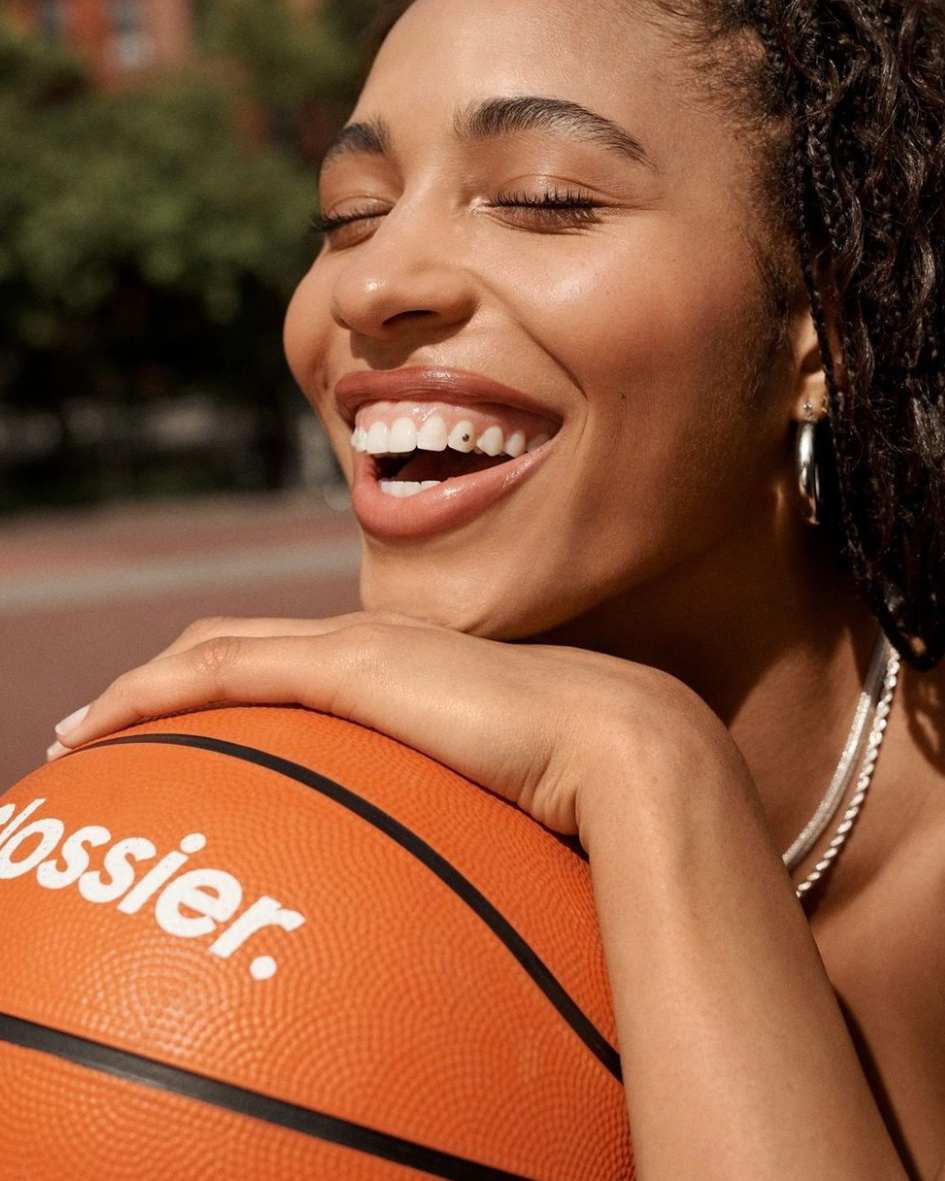
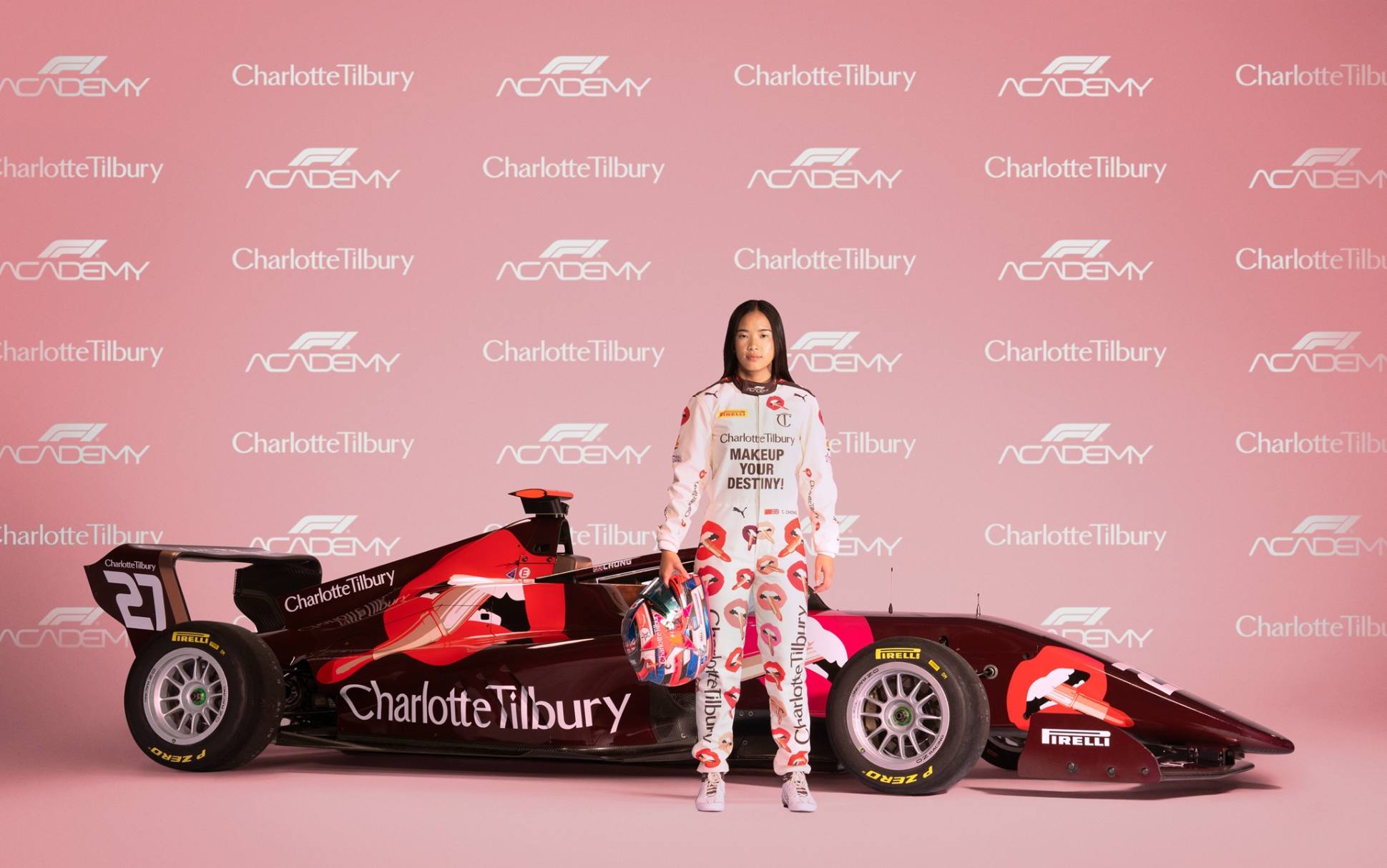
Beauty has joined the conversation too, and not from the sidelines. Glossier’s ongoing WNBA partnership and team USA has become a model for how a beauty brand can authentically support women’s sport. Campaigns now feature athletes as beauty authorities, talking about sweat, skincare, and visibility without glossing over the reality of their lives. Charlotte Tilbury’s alliance with the F1 Academy, the all-female racing series, has created some of the most-watched branded content in motorsport. Sephora has stepped in with athlete-led storytelling around confidence and care, while e.l.f. Cosmetics continues to dominate the crossover between sport and culture through partnerships with the NCAA and the Billie Jean King Cup. Each activation doubles as empowerment narrative and marketing machine. The message is clear: beauty is an athletic act, not a static image.
All of this points to a single truth. High fashion is no longer satisfied with the theatre of fantasy. It wants the theatre of performance. The runway and the arena have become mirrors. One shows discipline disguised as glamour. The other shows glamour disguised as discipline. What unites them is storytelling.
A NEW ORDER
Fashion needs sport because sport carries cultural relevance, speed, energy, and a built-in audience. Sport needs fashion because fashion provides the stagecraft, the polish, the aesthetic language that transforms competition into culture. That symbiosis has always existed, but it has never been this lucrative or this visible.
The cynic in me might say this is fashion’s latest obsession, that the next cycle will bring something new to fetishise. But the evidence says otherwise. Long-term partnerships, athlete co-creation, on-field design, performance tech, and beauty brand integration point to permanence. Yes, there will always be theatrics, but underneath the spectacle is a new order. The women driving sport are shaping fashion’s future, not the other way around.
So when you next see a couture gown cut like a basketball jersey or a football kit printed with fine art, don’t roll your eyes. This isn’t a fad. It’s the natural evolution of two industries finally meeting at full speed.
What do you think? Am I overreacting, or are we watching the biggest cultural crossover of our time? Tell us what you think on Instagram @glorioussport
Title Image: Christian Louboutin’s SS26 ‘Loubi Show’ via Christian Louboutin
Share This Article
If you love this you’ll also love...
Is Golf Cool Now?!
Golf: A traditional, boring game? Or the ultimate cool girl activity? An investigation into the game through the eyes of a 29-year-old fashion journalist, who’s traded cocktails for clubs (well, almost).
Beyond the Bling
Don’t let the high hair and tans fool you- the world of Irish dance is shaped by discipline and legacy, where years of training build towards a performance that lasts only minutes. We go backstage at the CLRG World Irish Dance Championships in Dublin.
Bend It Like Barriers
Lounging on the sofa on Sunday I found myself watching Bend It Like Beckham again. It made me wonder: have things really changed for South Asian women in football? A deep dive into whether Jess Bhamra's fight is still a reality today.

Christy
Christy Martin tore through boxing in the 90s, survived the fight of her life outside the ring, and with Sydney Sweeney stepping into her gloves, we explore why her story matters now.