Textured Waves
Chelsea Woody is a surfer, registered nurse, filmmaker and co-founder of Textured Waves. From challenging representation in surfing to raising awareness of maternal health, she's using the ocean as a platform for change.
By Glorious
Chelsea Woody was 30 when she first paddled out, on an 18-month sabbatical through Indonesia with her husband after the pair quit their jobs to travel. Learning to surf had been part of the plan, and she first got on a board for her 30th birthday. What began with sore ribs, repeated wipeouts and the simple thrill of gliding across the water quickly became something she couldn’t imagine giving up.
Back home in Northern California, that new obsession came up against a surf culture where Woody saw very few women who looked like her. Rather than worrying about fitting in, she began thinking about how she might make the picture bigger. The rest, quite literally, came in waves.
We sat down with Chelsea to talk surfing, representation, Textured Waves, motherhood and finding a life in and around the ocean.

Surfing has traditionally projected a very particular image and aesthetic for women. When you were first entering that world, did you ever feel pressure to fit into it, culturally or visually?
For sure. I think there was a lot of pressure to look a certain way, but as an older adult learner I shed those expectations pretty quickly.
When I learnt in Indonesia, even though it is a country of brown folks surrounded by the ocean, it wasn’t always socially acceptable for women to be surfers. The local women let me know this as well. I think that narrative is shifting these days.
When I returned home to the States, I learnt pretty quickly that there wasn’t a lot of representation for women who looked like me in surfing, so I really wasn’t going to fit in, and I was okay with that. It moved me to try to create more space and widen the aperture.

How did Textured Waves begin, and what is its mission?
Textured Waves was a dream in 2018, and then we really brought that vision to life in 2019. Our mission is to promote diversity in surfing, especially for brown and Black women who often get left out of the narrative. We wanted to showcase the diversity even within our community.
The name is a play on words about our hair. The natural hair movement was something that helped each of us rediscover the water in a world that demanded European standards of beauty and straight hair. We chose to embrace our natural selves, which allowed us to have a closer relationship to the natural world around

At the beginning, did it feel like you were creating something for yourselves and your friends, or did you already sense how many women were looking for that kind of community?
At first it did feel like something we needed to create on the mainland for African American female surfers. But as we started to find more and more women globally who felt underrepresented, it became clear pretty quickly that we were becoming a landing page for women across the globe who had never seen themselves represented.
We wanted to connect with those women, and we wanted the rest of the world to see them too.
What has building Textured Waves given you personally over the years?
Many of the women I have met through Textured Waves have become my real-life friends. It is really special to have women in your life who share the same passion for surfing and maintaining athleticism as we age. It has given me immense joy, and some stress, if we are being real!
representation

creativity
During your time with Vans, you were one of the few African American women sponsored by a major surf brand. Looking back now, what does that chapter of your career mean to you?
I had the privilege of working with one of the most diverse surf teams for about five years. They supported my creativity with a lot of freedom and understood I was a mom, even including me in campaigns while I was pregnant. I loved how they supported wildly different folks with visions of creating change in their own way.
Over the course of those five years, there were about five other African American women sponsored by endemic surf brands. It felt like the industry was really changing, but here we are today in a continued slump of representation.
I finished with Vans in March 2026, and I believe I was one of the last African American women sponsored by a major endemic surf brand based on the mainland. Looking back, it was, and is, significant to the future of female surfing in Black America.
While there is a current gap in representation, I hope that changes. It is very important to have role models in spaces where we are not typically represented. I often imagine if I had seen images of women who looked like my mom, like Mary Mills or Andrea Kabwasa, earlier, if it would have brought me to surfing sooner.

For people discovering you through surfing, what should they know about your life away from the ocean?
I am a mom, nurse and, recently through surfing, have been working on a few surf films. When I am not surfing, I’m trying to balance work, being a present mom and advocacy for diversity in surfing and maternal health.
I am currently working on a documentary about surfing through a high-risk pregnancy to create awareness about preeclampsia.

Your new film, High Risk Dreams, explores high-risk pregnancy and preeclampsia. What made you want to tell such a personal story publicly and connect it to surfing?
I am typically a pretty private person, but I understand that when women and birthers have more information, lives can be saved. When that information is not presented as a lecture, it can be absorbed more readily.
As a nurse, I had information that helped me recognise symptoms of preeclampsia very early, and it helped save my life, so I want other birthers to have the same knowledge. I want to pay it forward.
I hope that by telling this story through the vehicle of surfing, we can reach new audiences outside of the maternal health world. Conversations about birthing shouldn’t be limited to hospitals and clinics because we all come through a birth canal. We should all care how we get here and make it safer for birthers.
In May, for Preeclampsia Awareness Month, I hosted a paddle out in collaboration with the Preeclampsia Foundation to create more awareness around heart conditions in pregnancy. It was a way to bring the conversation outside of traditional settings.

I hope this film leads to global adoption of the W.E.P.U.S.H. campaign, an acronym I created to help folks remember the signs and symptoms of preeclampsia. My dream would be to see the W.E.P.U.S.H. acronym in hospitals, clinics and curricula used by providers who interface with birthers.
High Risk Dreams should be out in summer 2027. You can learn more at highriskdreams.com and about the impact campaign at wepushcampaign.com, or follow @highriskdreams and @wepushcampaign on Instagram.
As an independent filmmaker, I rely solely on contributions and donations from folks who want to see new and unheard stories. Please consider donating to the film if it moves you at wepushcampaign.com

What does a fairly normal week look like for you at the moment, between nursing, motherhood, surfing and everything else you’re balancing?
A typical week looks like a few really busy and exhausting shifts at the hospital, or chasing a toddler around. I fit in a surf after my shift or try to find a friend to watch my kiddo for a few hours so I can surf, while also answering emails, coordinating shoots with creatives and taking care of household responsibilities.
Somewhere in there I squeeze in a trip to the gym or physical therapy to rehab a recent ACLR injury. At the weekends, we usually try to disconnect as a family and head to the beach with friends.

How did becoming a mother change your relationship with surfing, whether physically, emotionally or mentally?
Surfing through my high-risk pregnancy helped me mentally survive it. I am not recommending folks do this, but I do hope mothers can connect to something that brings them joy throughout pregnancy. Our worth and joy do not just dissipate when we give birth.
I think I value my time in the water a bit more, but at the same time I am also a little less obsessed with the ocean. I still need my ocean time, but it is not as dire as it once was. I can have breaks from the waves and they are always there.
I also want my daughter to have a sense of comfort and home at the ocean and the beach. I hope I am teaching her to respect the ocean and find great joy in the waves, a lesson I didn’t learn until later in life.

Has your daughter started surfing with you yet? What kind of relationship do you hope she has with the ocean as she grows up?
She has already shared some waves with me in Thailand. Those were really special because it was at a break not too far from where my father was born in Ranong. It felt like I was reconnecting to the sea of my father’s people and directly passing that to my daughter.
I hope she loves the water and ocean, and she really seems to enjoy the cold waves so far. That can always change, so we will try to just make it an enjoyable experience for her. Eventually, she will find her way back if she ever loses interest.

What’s something about surfing that people outside the sport probably completely misunderstand?
How hard it is to really master. There is always something to learn. It is one of the most difficult and humbling things I have ever tried to learn. It really does take years of commitment.
Once you’ve committed, you really do need a relationship with the ocean. Understanding the tides, swell, wind and reef is all part of navigating the surf.

Looking at everything you do now across surfing, motherhood, filmmaking and community, what feels most important to you at this stage of your life?
Motherhood is by far the most important thing to me at this stage of life, and instilling confidence in my little lady. Hopefully she dreams big. I am so proud of her.
cONNECTION

More broadly, why do you think more women should try surfing? What has being in the water given you personally over the years?
I think having a connection to something as powerful as the ocean can alter your worldview. Feeling the weightlessness and freedom of the ocean is something that is not often granted to everyone in this world, especially women of color.
It has been life-changing for me. It gave me a new sense of confidence and creativity. There is nothing quite like gliding on a wave. I really believe that.
Finally, what’s next for Textured Waves and where can people follow the project or find out more?
Textured Waves is gearing up for another retreat from 14 to 20 November in Nicaragua. These retreats are always so special, as so many of the attendees make real connections and plan future surf trips and meet-ups together.
We always hope they are just starting-off points for folks who don’t feel accepted in traditional surf spaces. We all keep in contact and get updates on everyone’s surf journey beyond the retreats. It’s such a great core group of people, and it is genuinely the best part of Textured Waves.
You can learn more about the retreats on our Instagram and website, and find out how to enquire about the retreat in November, at @texturedwaves and texturedwaves.com.
Everything Woody has built, from Textured Waves to filmmaking and maternal health advocacy, stems from one simple belief: everyone deserves the chance to experience the freedom she found in the ocean. For thousands of women discovering surfing today, that journey now begins with someone who looks like them already waiting in the line-up.
Textured Waves is gearing up for another retreat in November. Stay up to date and learn more about past retreats from their instagram and website @texturedwaves / www.texturedwaves.com
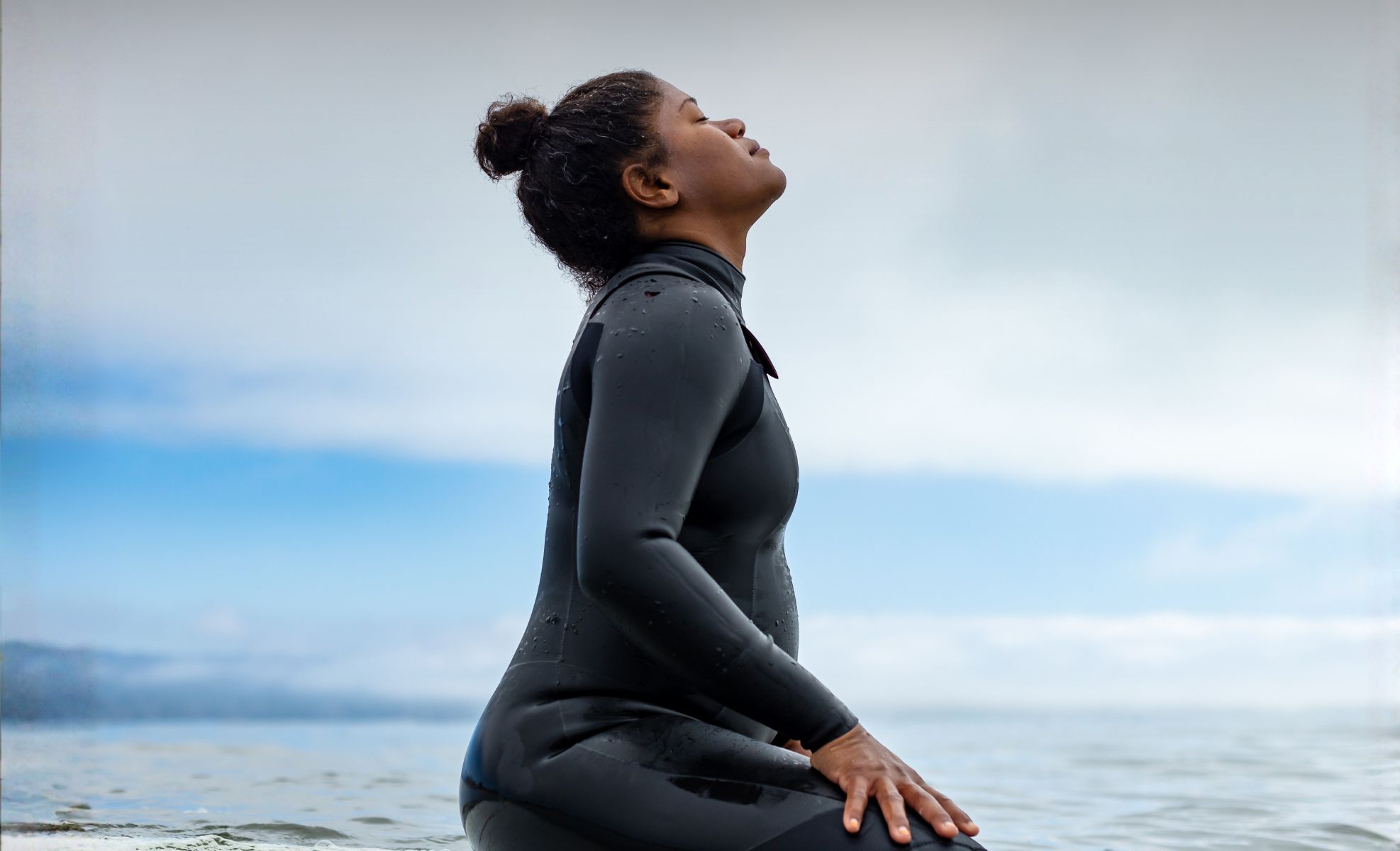
Title Image: Chelsea Woody surfing at 25 weeks pregnant. Photograph by Kaili Reynolds
Editorial Design Root
Share This Article
If you love this you’ll also love...
Believe...
Ted Lasso is back, but this time Ted has a new team, a smaller budget and a much bigger problem. Before Richmond’s Lady Greyhounds can worry about winning, they have to face the realities of women’s football. Season 4 steps straight into the worlds of investment, culture and the challenge of building a team from the ground up.
Intrsxtn Surf
Ever felt discouraged from surfing because you didn't match the stereotypical surfer image? Jessa Williams is breaking waves and boundaries. The surfing community that she has created is a symbol of empowerment, unity, and the celebration of diversity
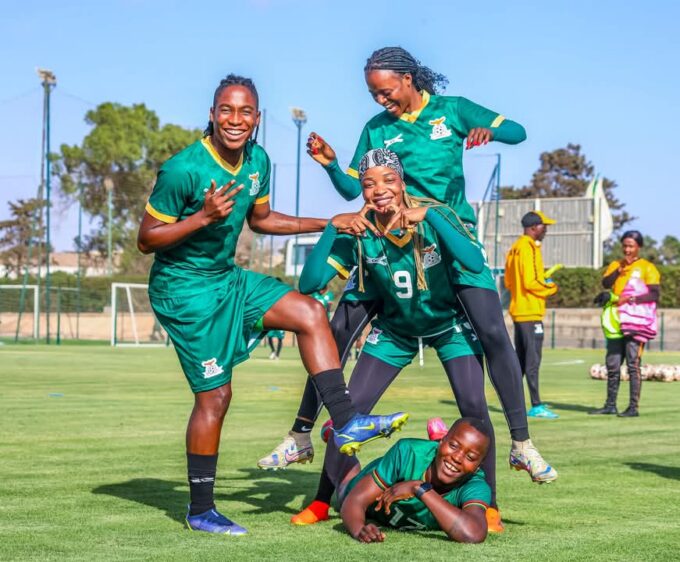
WAFCON 2026
There was a time when WAFCON introduced the world to Africa's brightest footballers. Today, many arrive in Morocco as established stars. The tournament hasn't become less important because of that. If anything, it has become even more fascinating.
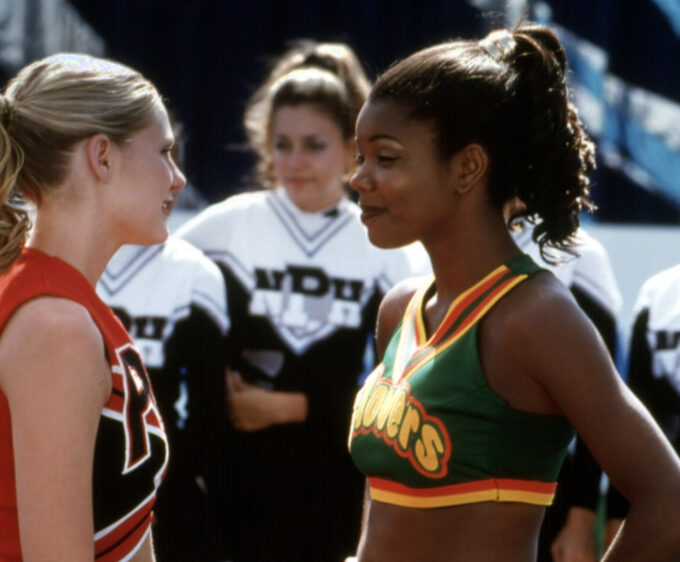
Cheerleaders: Changing The Chant
For too long the cheerleader has been regarded as a ditzy, sexualised, female figure of fun. Glorious takes a peek at the history of cheerleading and declares it’s time for positive change